


HOUSTON – “Our diversity is not going anywhere.”
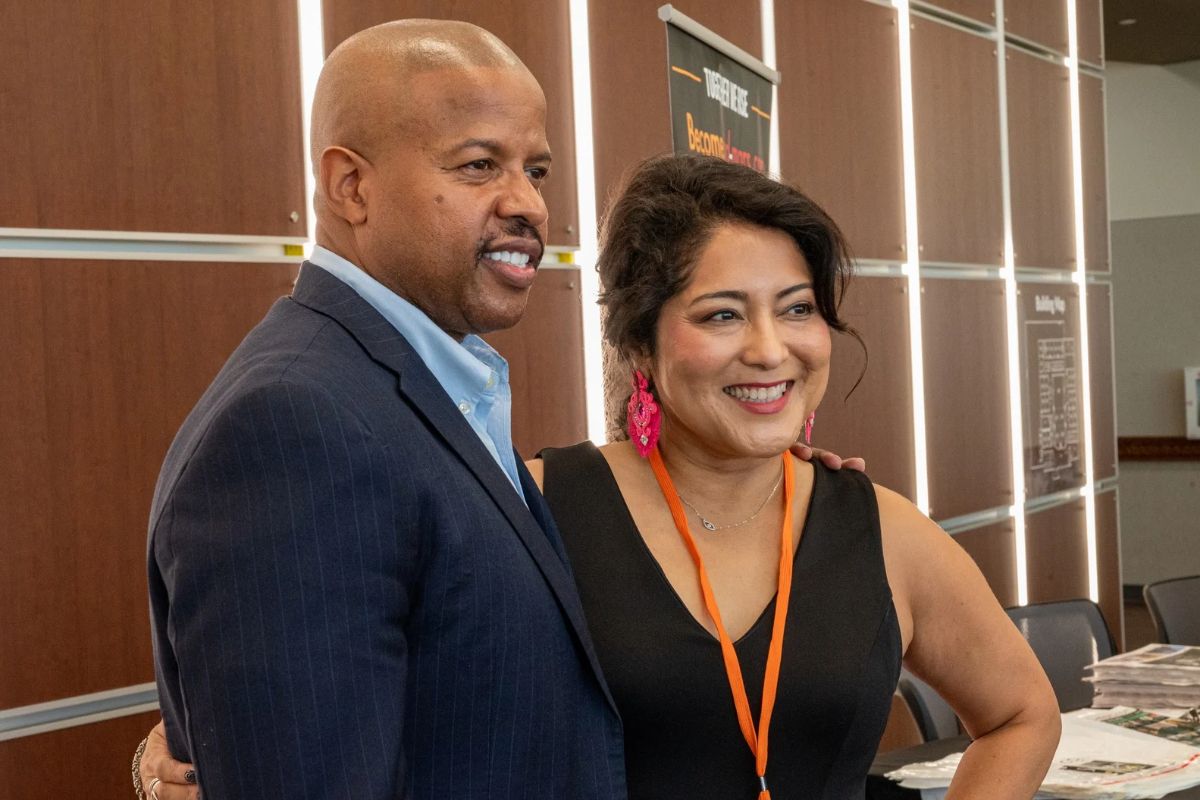
Texas Rep. Ron Reynolds delivered those words to a packed house at the Second Annual Houston Community Media (HCoM) Expo, Conference and Awards, where dozens of ethnic and community news outlets celebrated the power of their collective voice.
“You can eliminate a diversity program, but you cannot eliminate the diversity of the people,” Reynolds said.
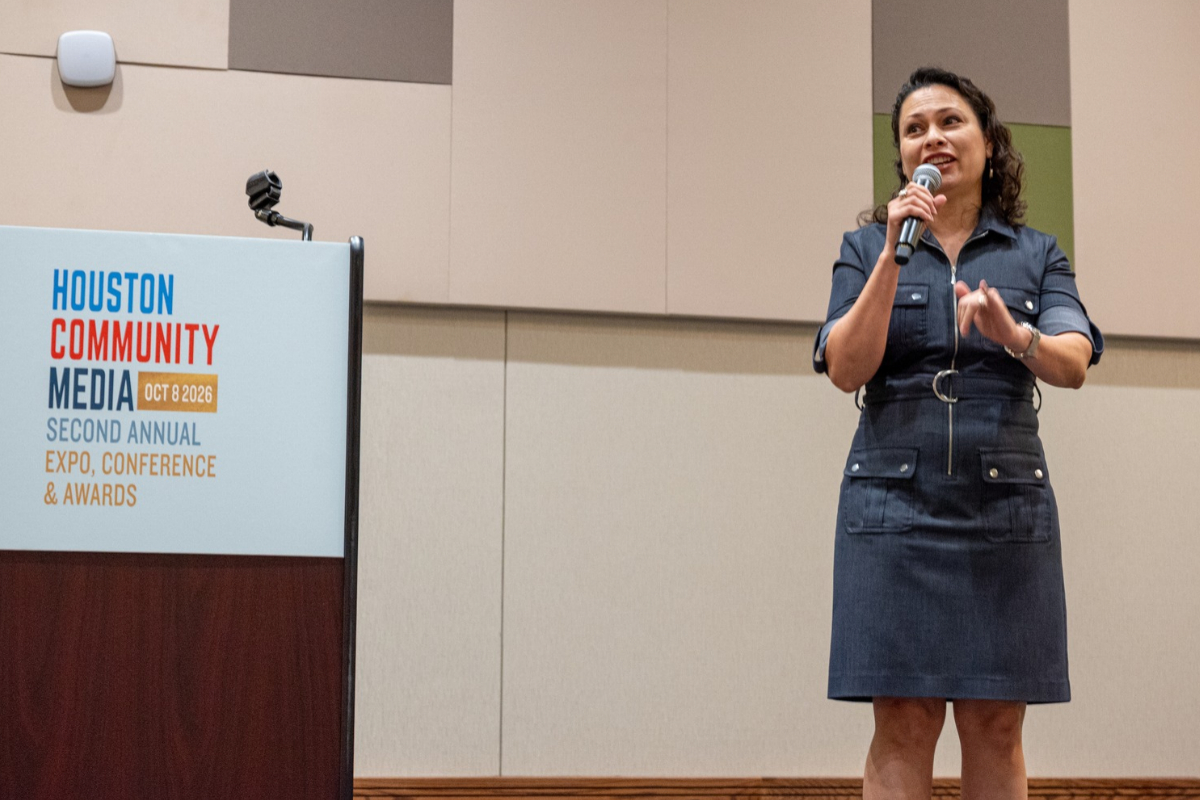
Texas State Representative Ron Reynolds reflects on his Houston roots and the strength of diversity, highlighting community media’s role as trusted messengers who keep neighbors informed, engaged and empowered, and urging support for local outlets.
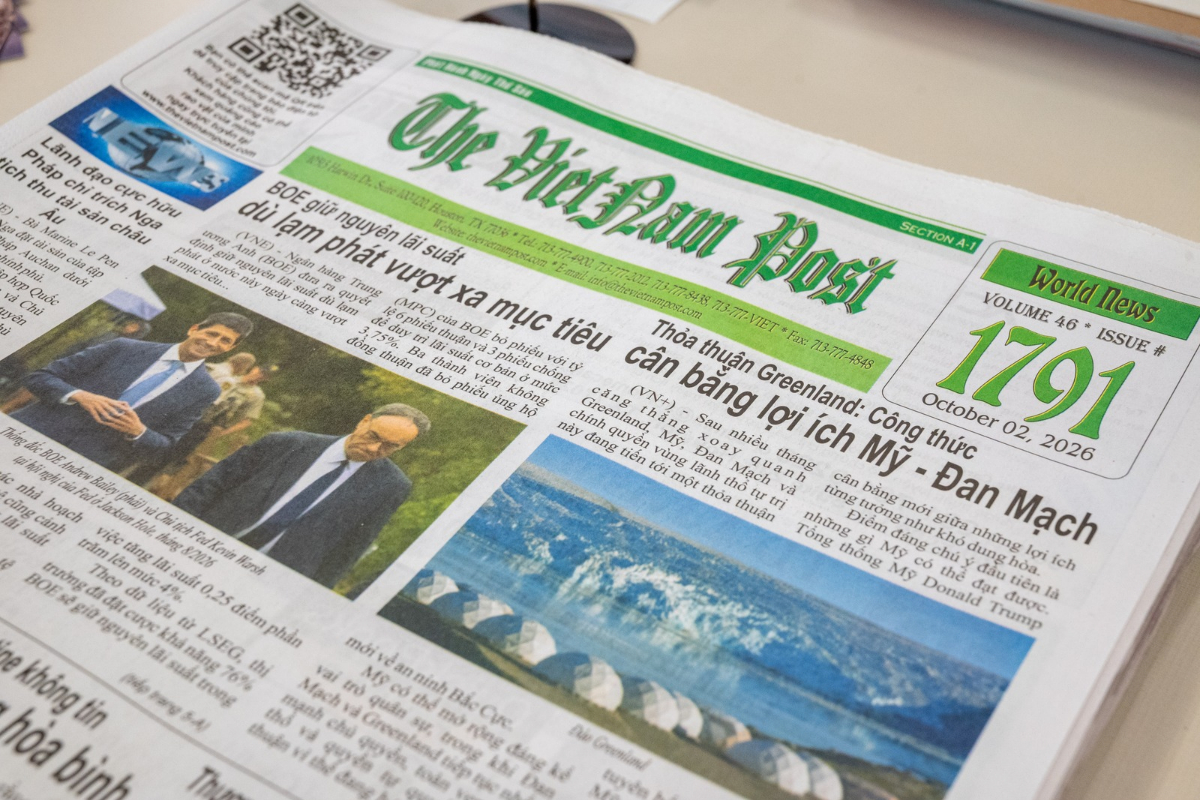
The Oct. 8 gathering sought to break down silos among ethnic and community media outlets in what is one of the nation’s most diverse cities, while connecting them with elected officials, civic leaders and public institutions.
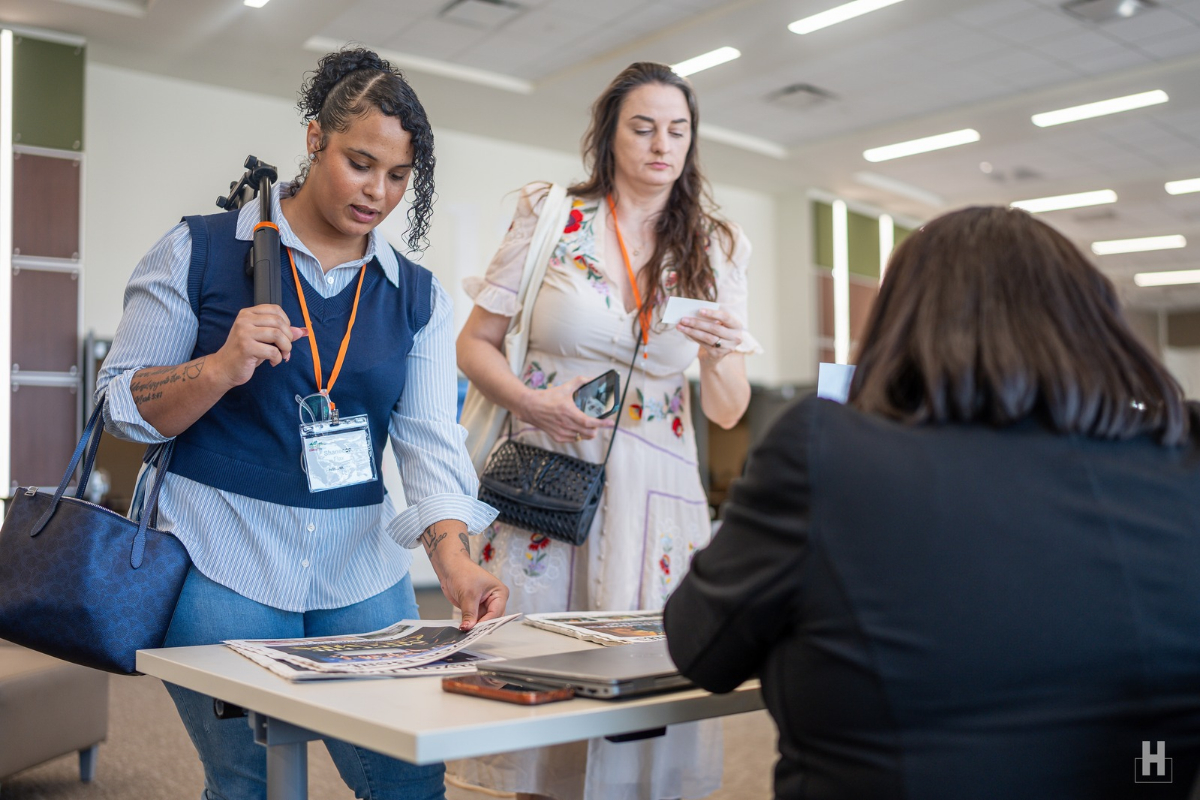
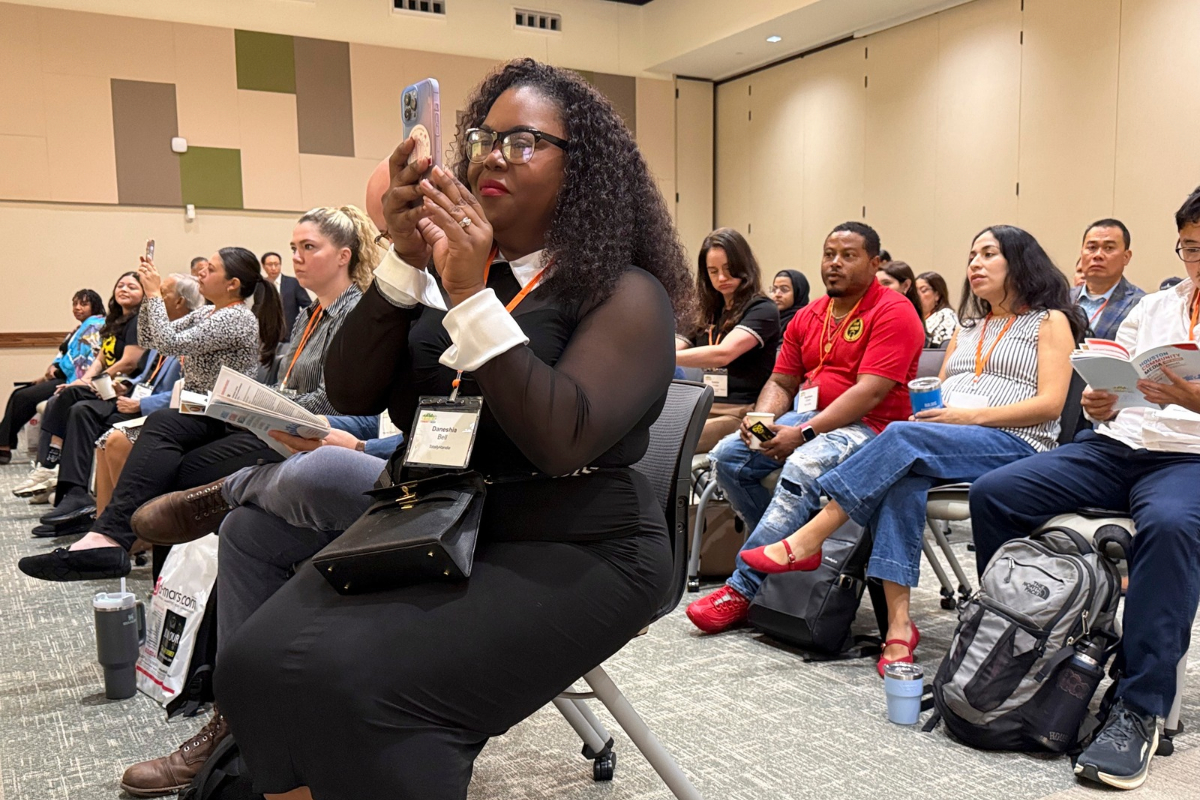
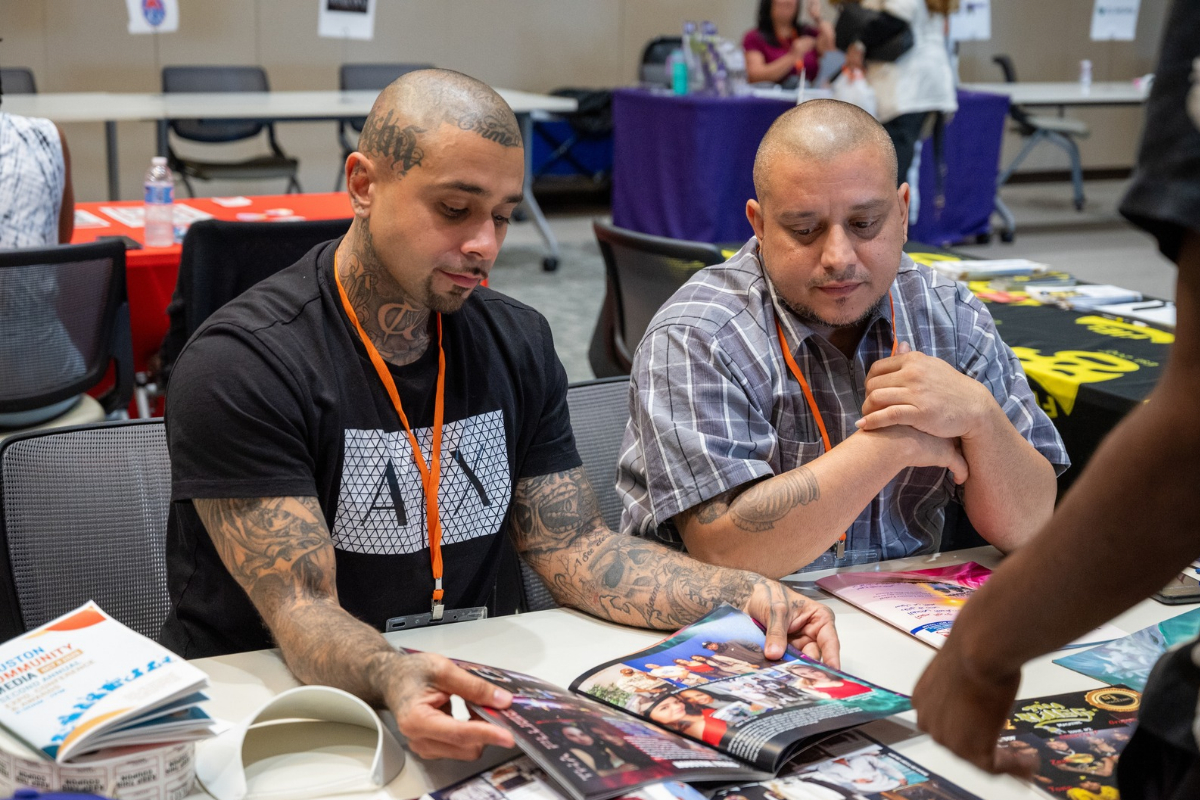
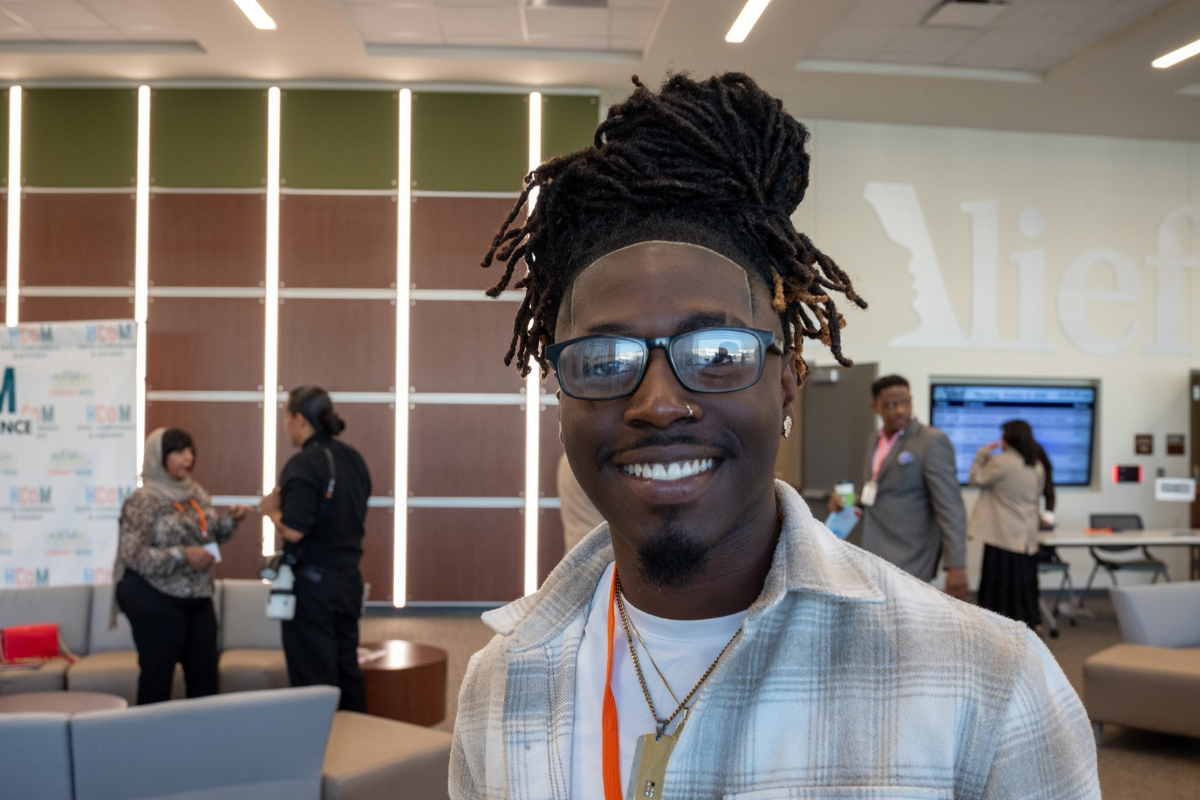
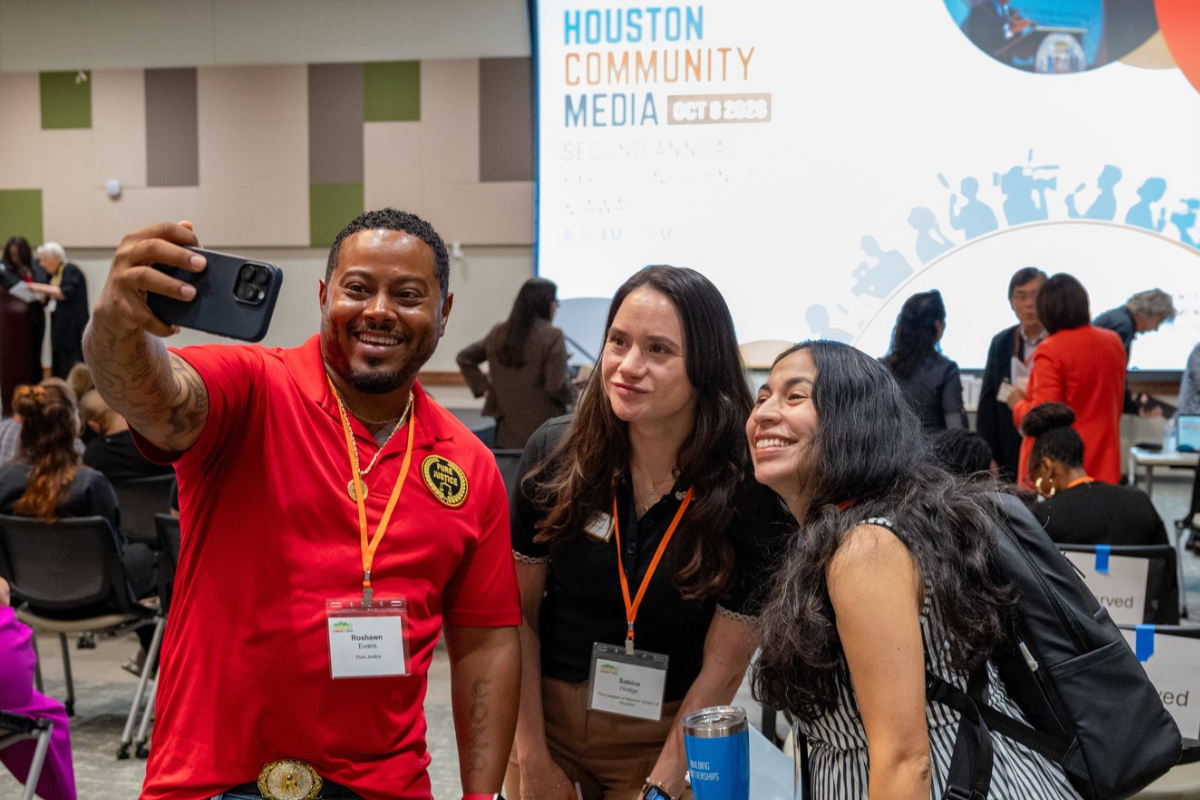
Held at the Alief ISD Talent and Development Center — located in what is one of Houston’s most diverse neighborhoods, where more than 50% of residents are foreign born and where more than 80 languages are spoken at home — the Expo drew more than 250 attendees, nearly double last year’s turnout.
Photos by Rony Canales, Peter Schurmann & David Pham
“The Expo was a tremendous source of validation for our media partners from people who are highly respected all across the public sphere,” said HCoM Executive Dir. Sandy Close. “For ethnic news outlets that have long felt invisible and ignored, to have so many leaders and community stakeholders come to meet us was inspiring.” (HCoM is a project of American Community Media.)
Reynolds challenged government agencies, corporations and nonprofits to engage ethnic media year-round, rather than turning to them only during elections, emergencies or public awareness campaigns.
“Connecting with ethnic and community media is not optional. It is essential,” he said.
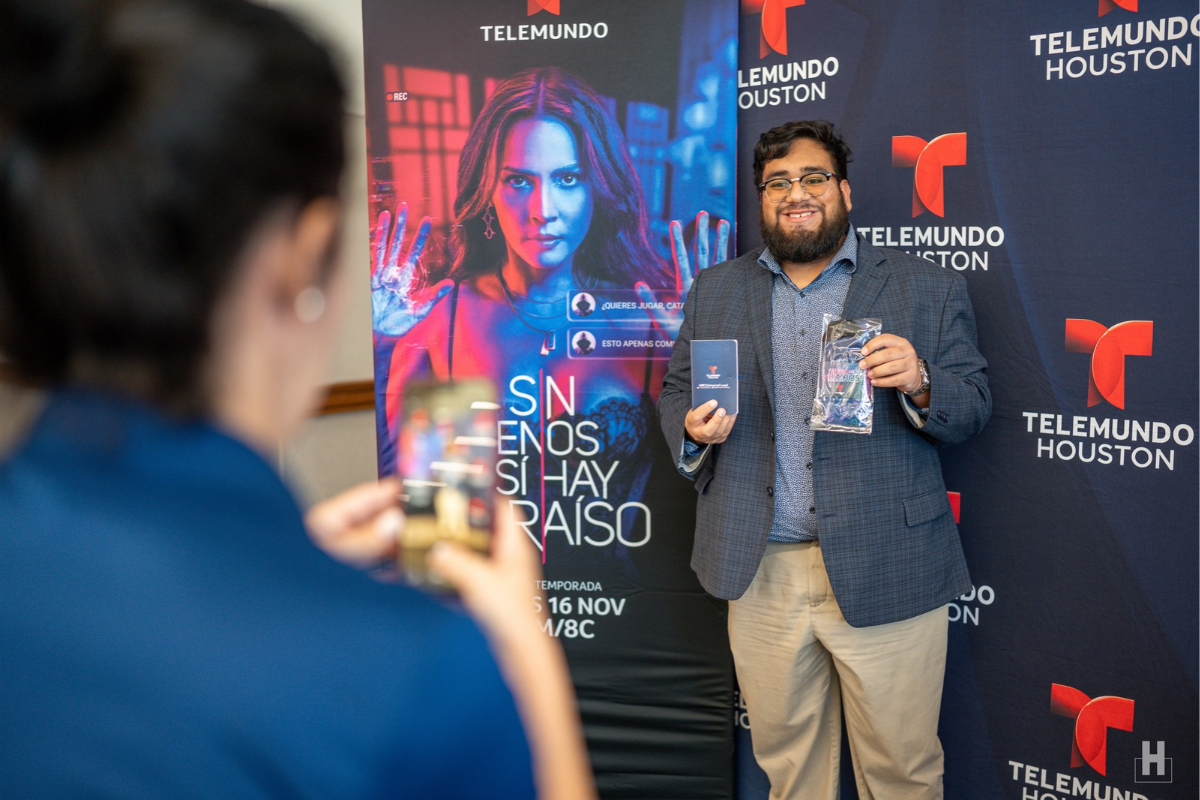
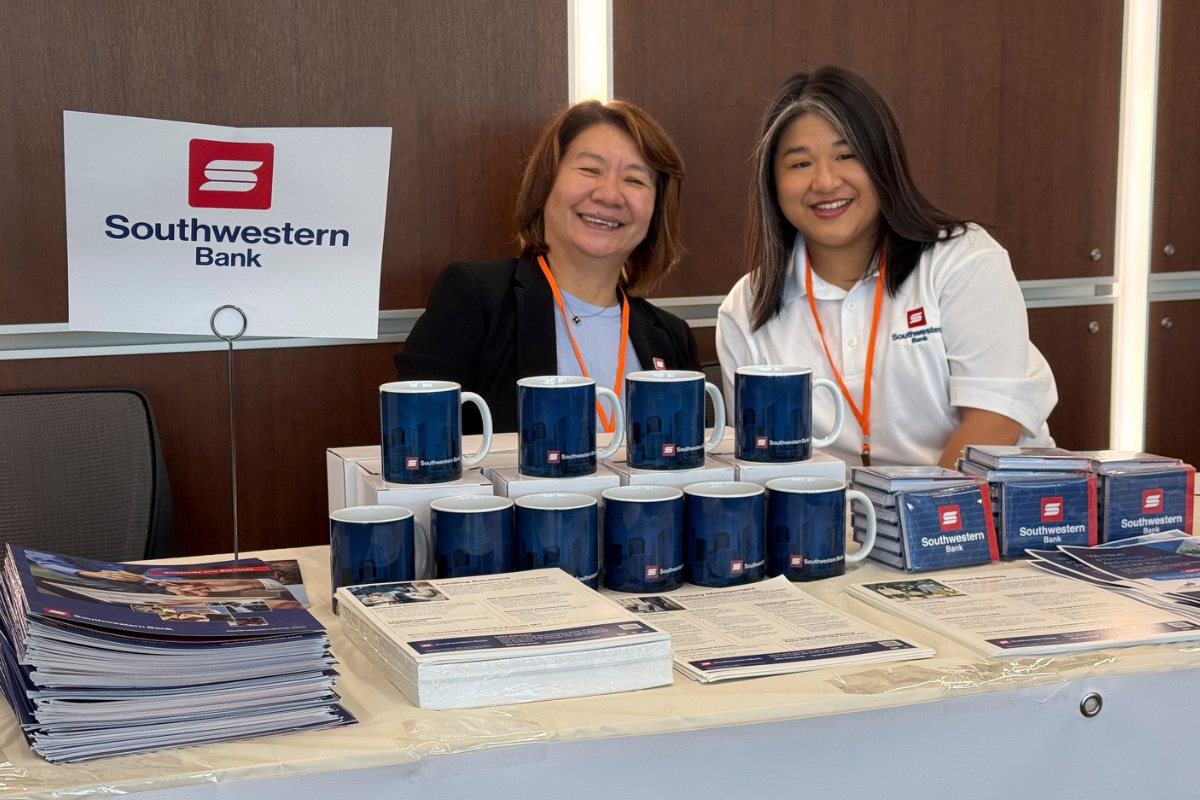
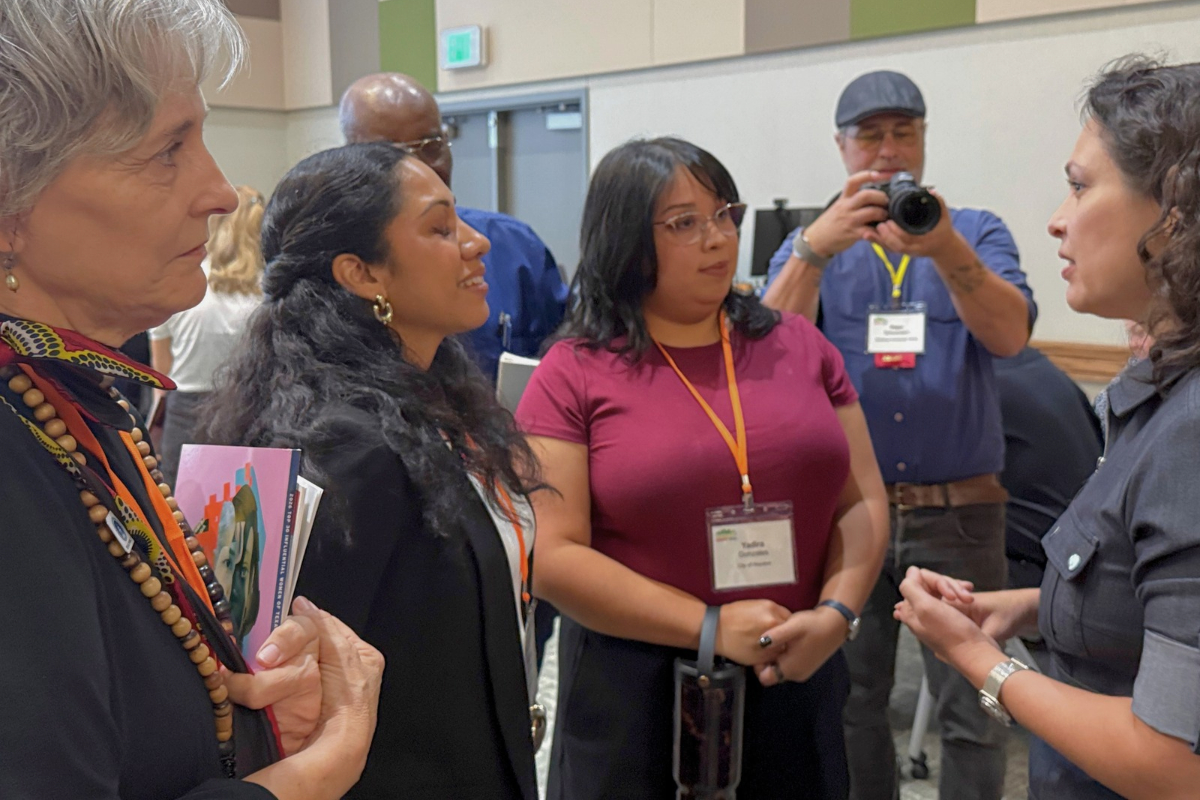
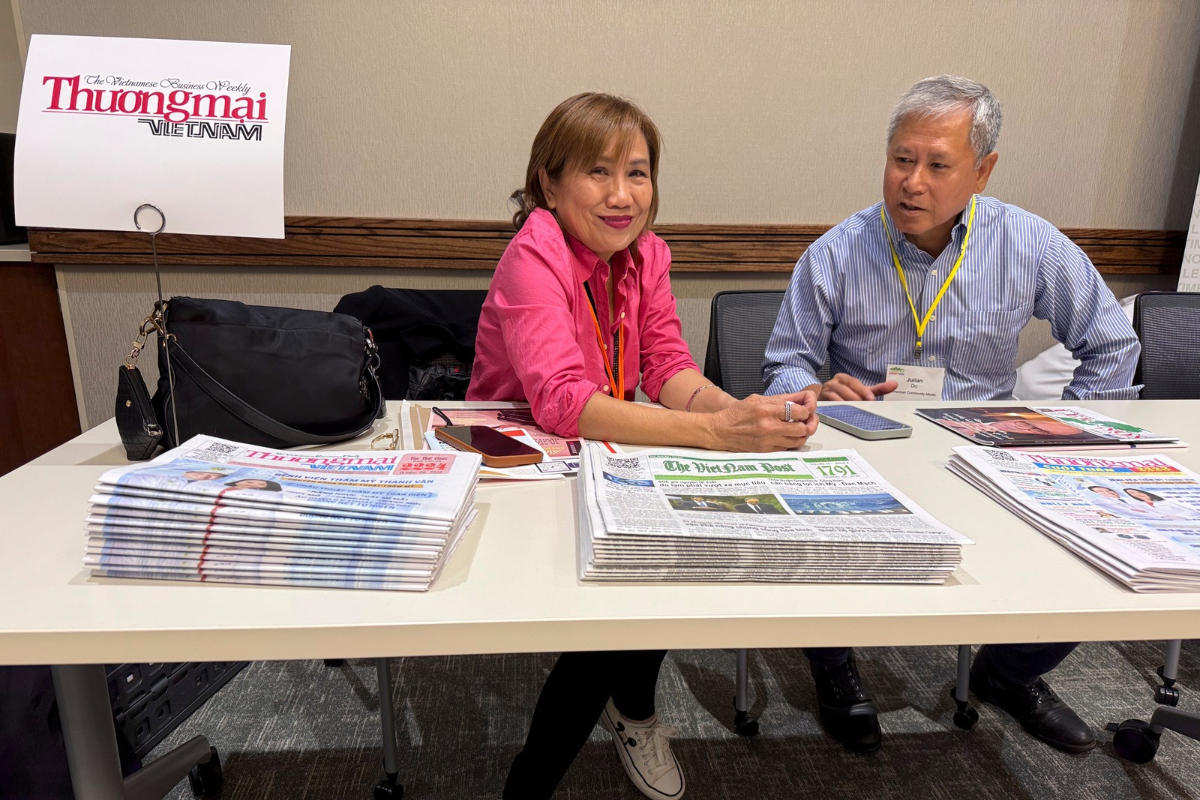
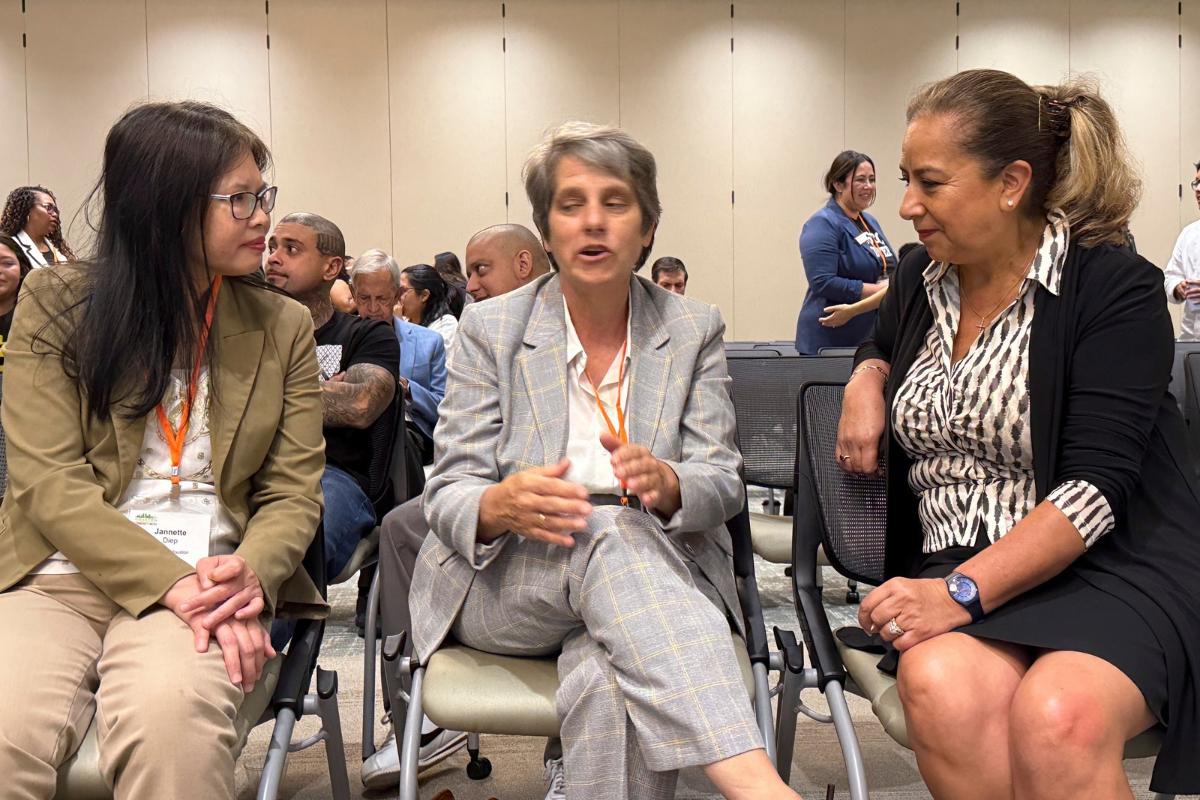
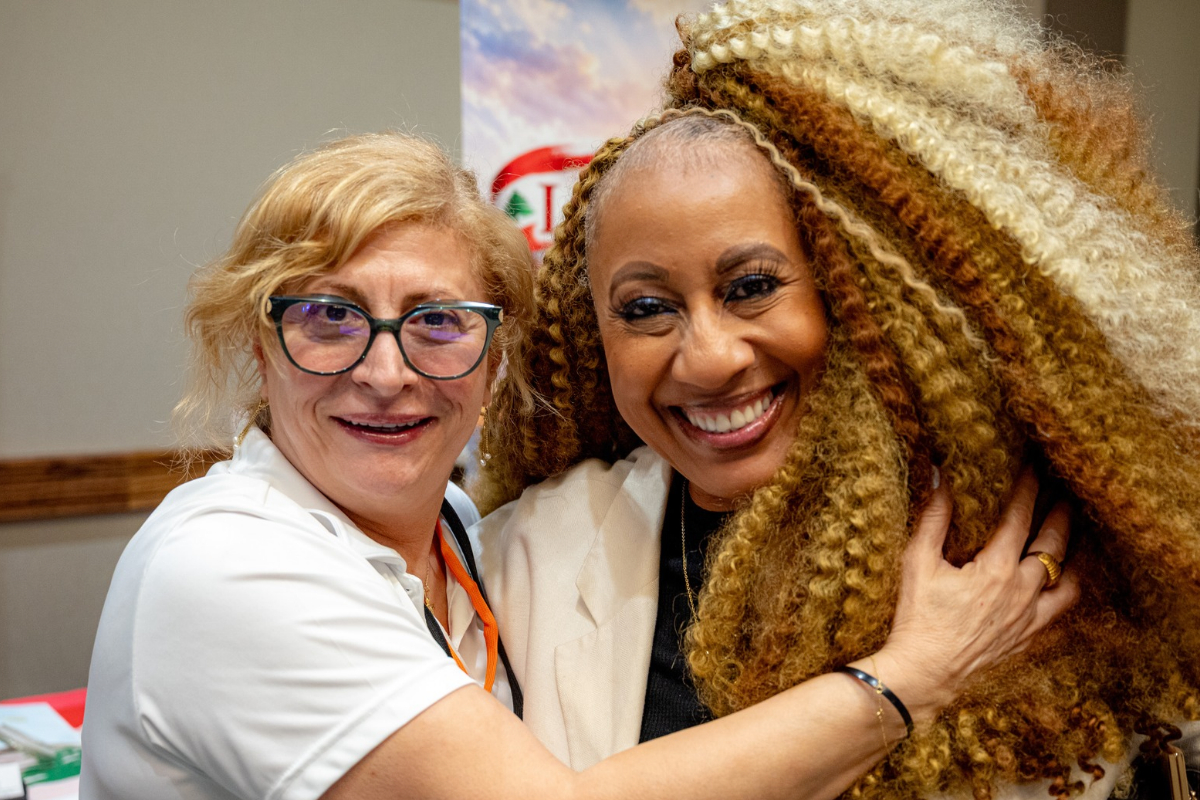
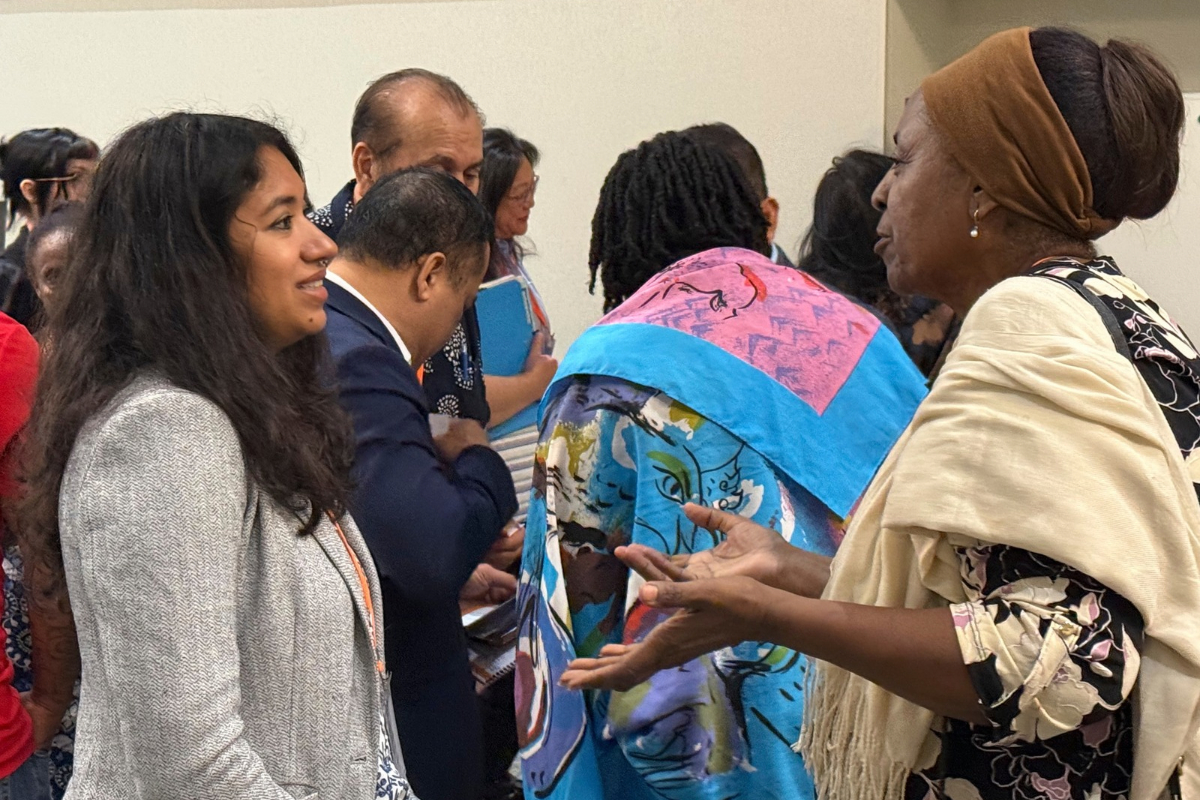
Texas Rep. Penny Morales Shaw, whose district encompasses parts of Houston, emphasized the importance of trust and independent journalism amid media consolidation and increasingly fragmented audiences.
State Rep. Suleman Lalani, a physician, addressed the consequences of misinformation, particularly in health care and public policy, and the role journalists play in helping residents understand decisions affecting their lives.
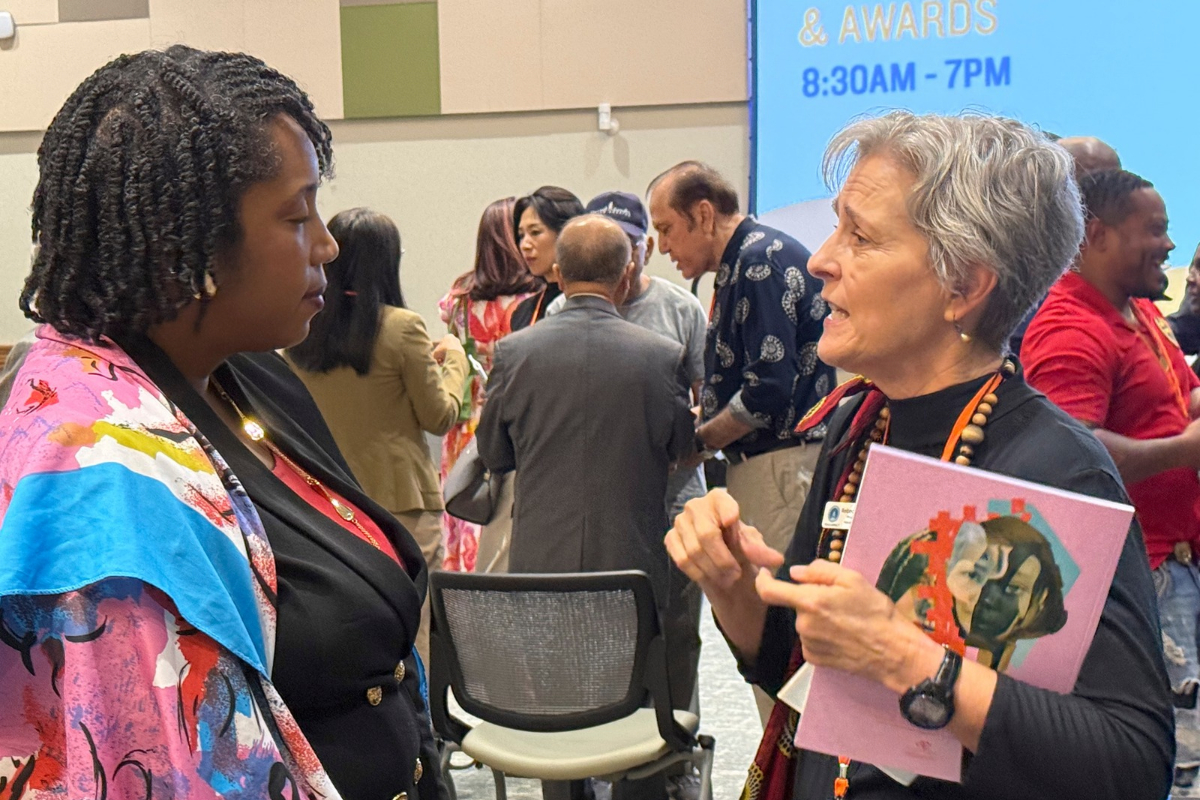
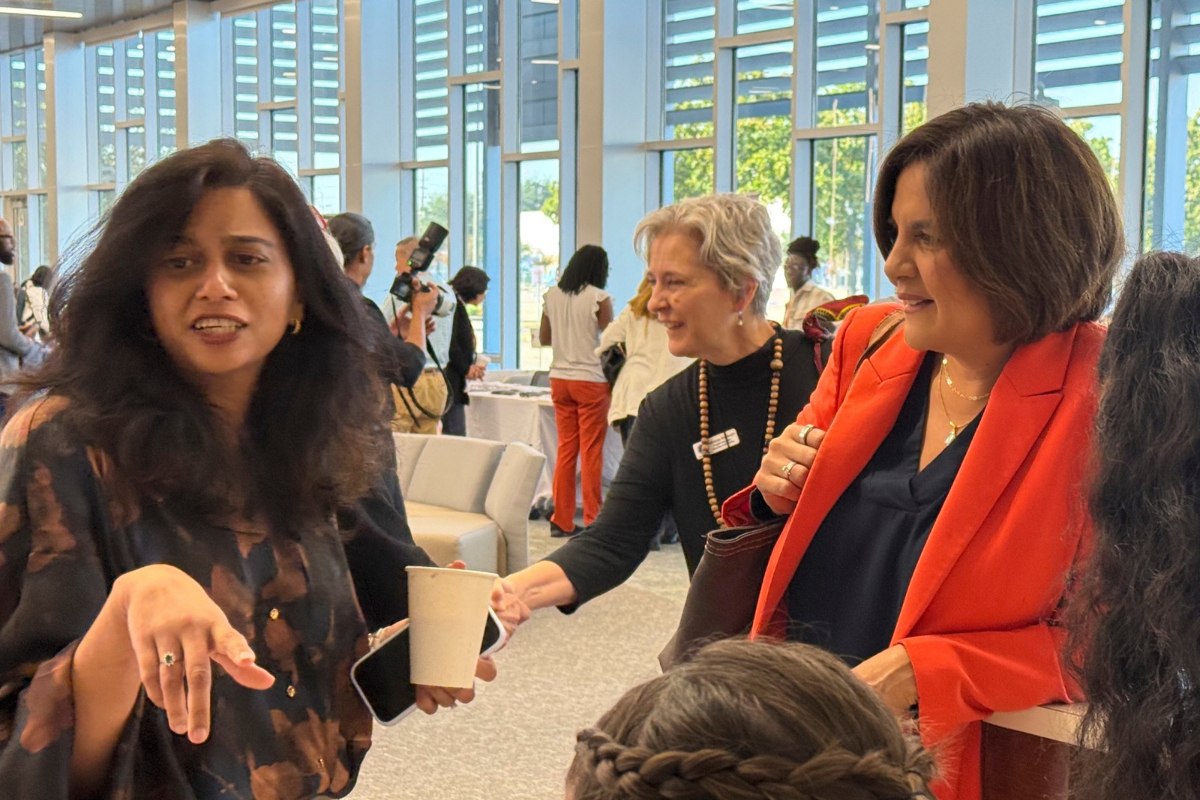
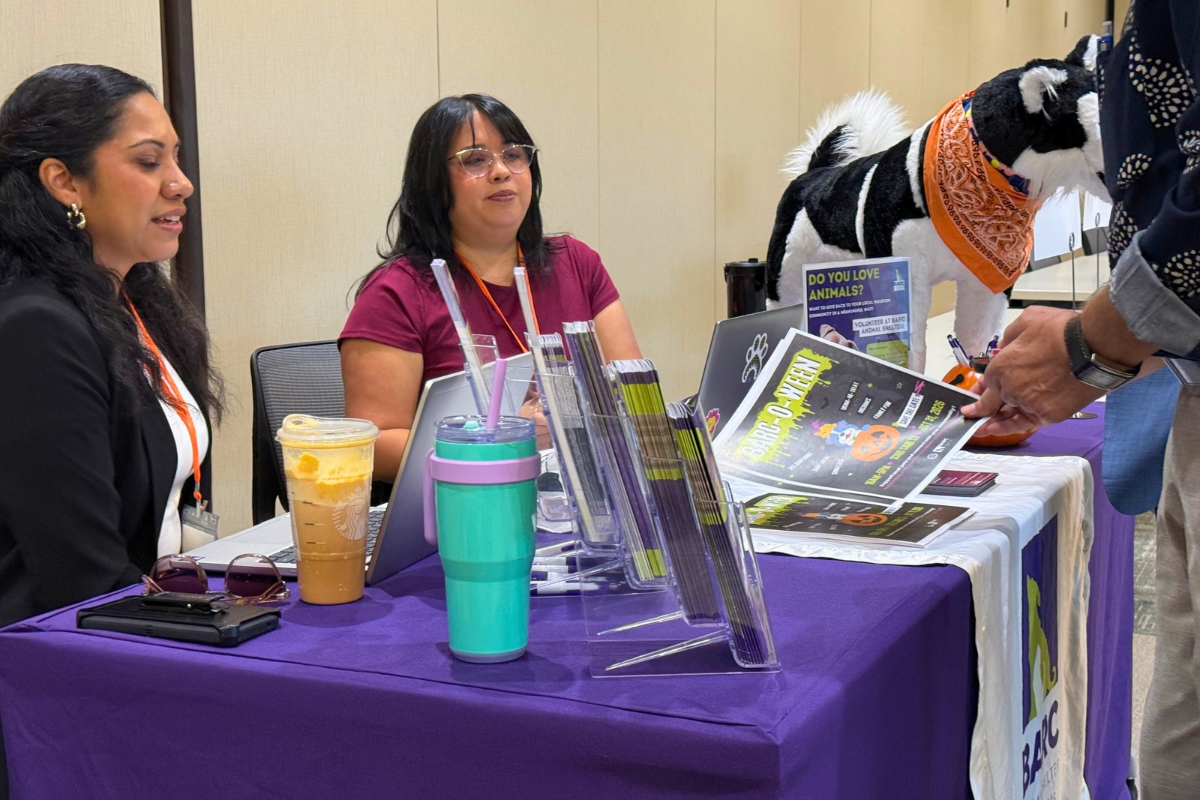
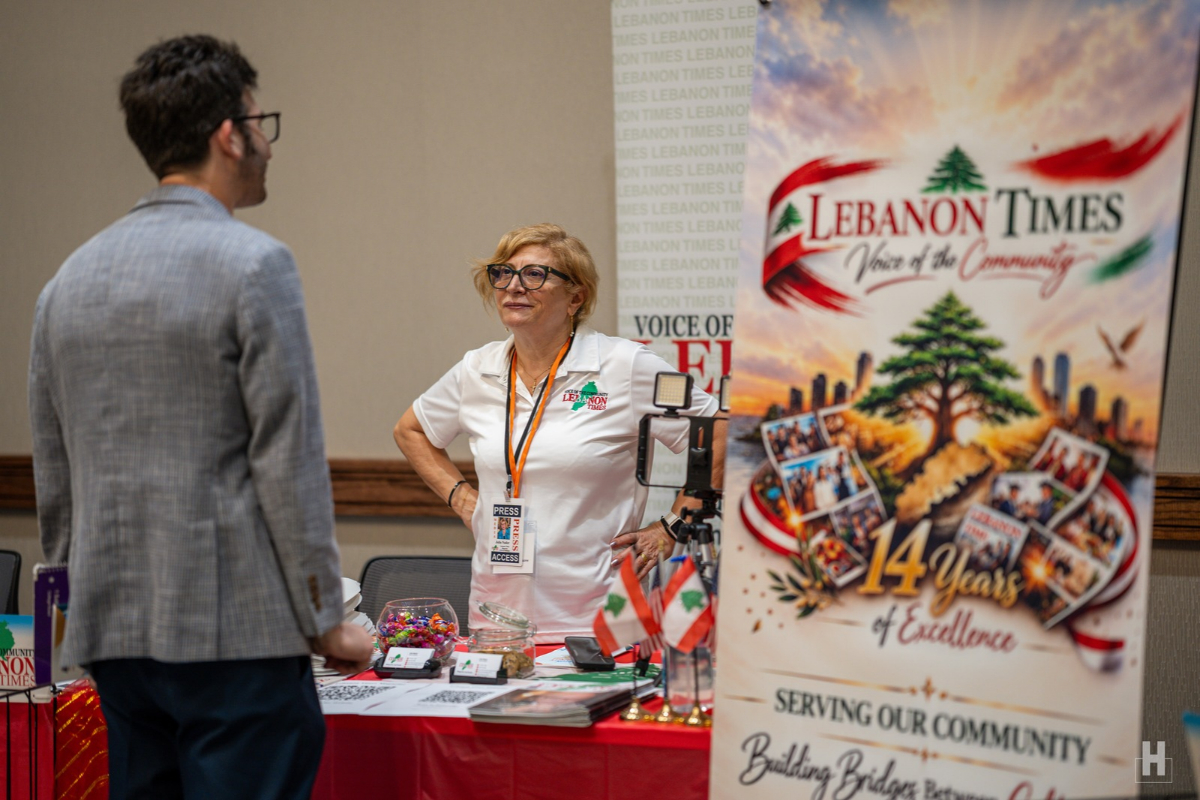
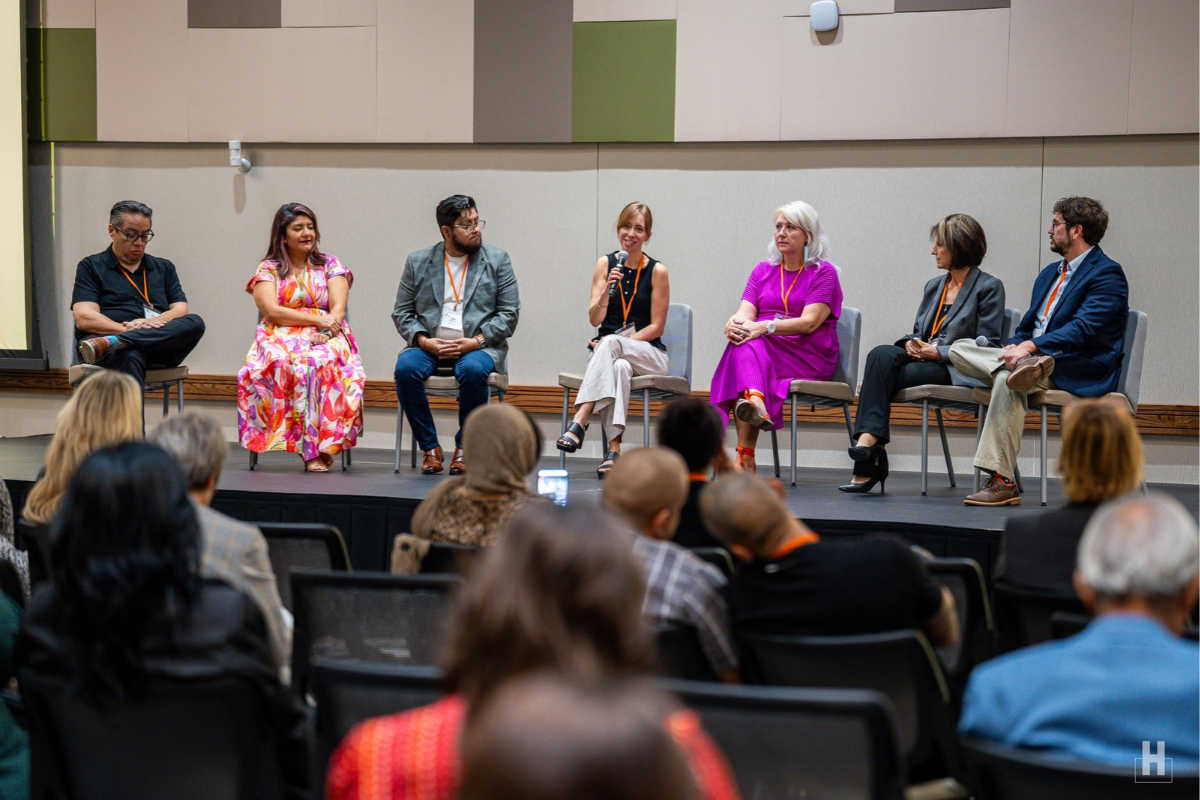
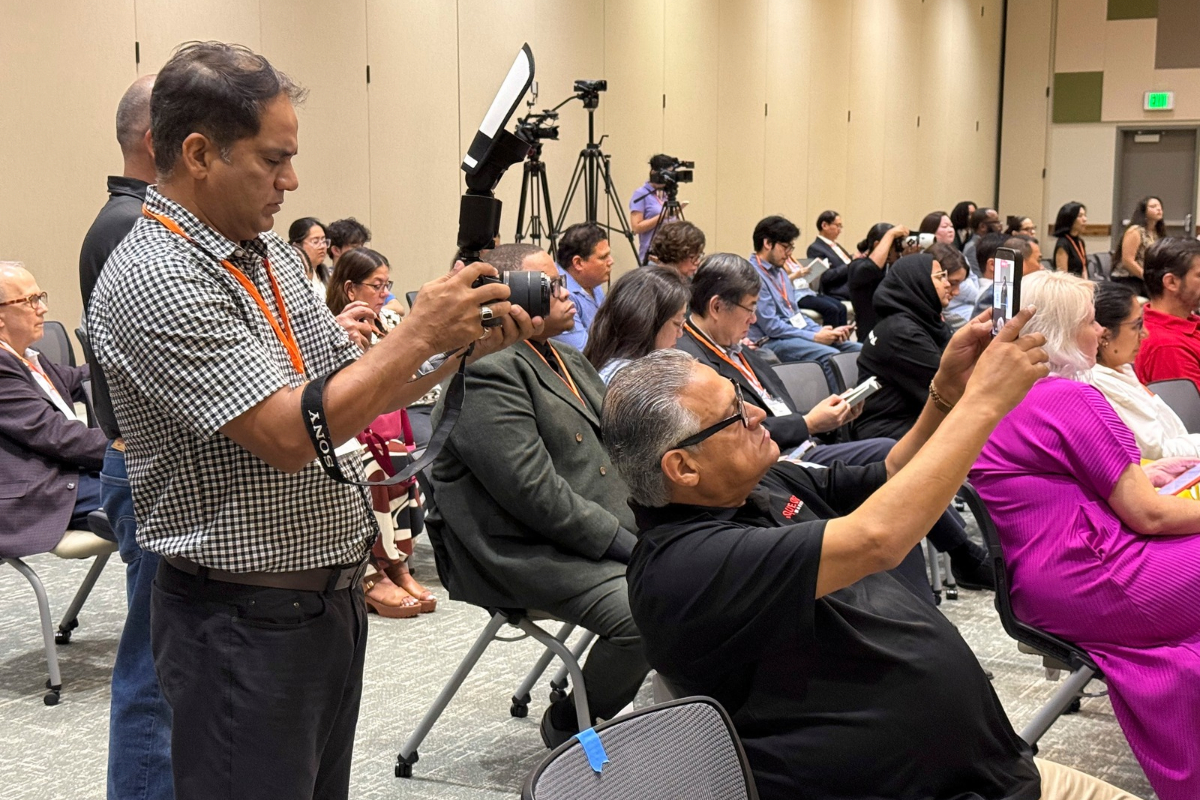
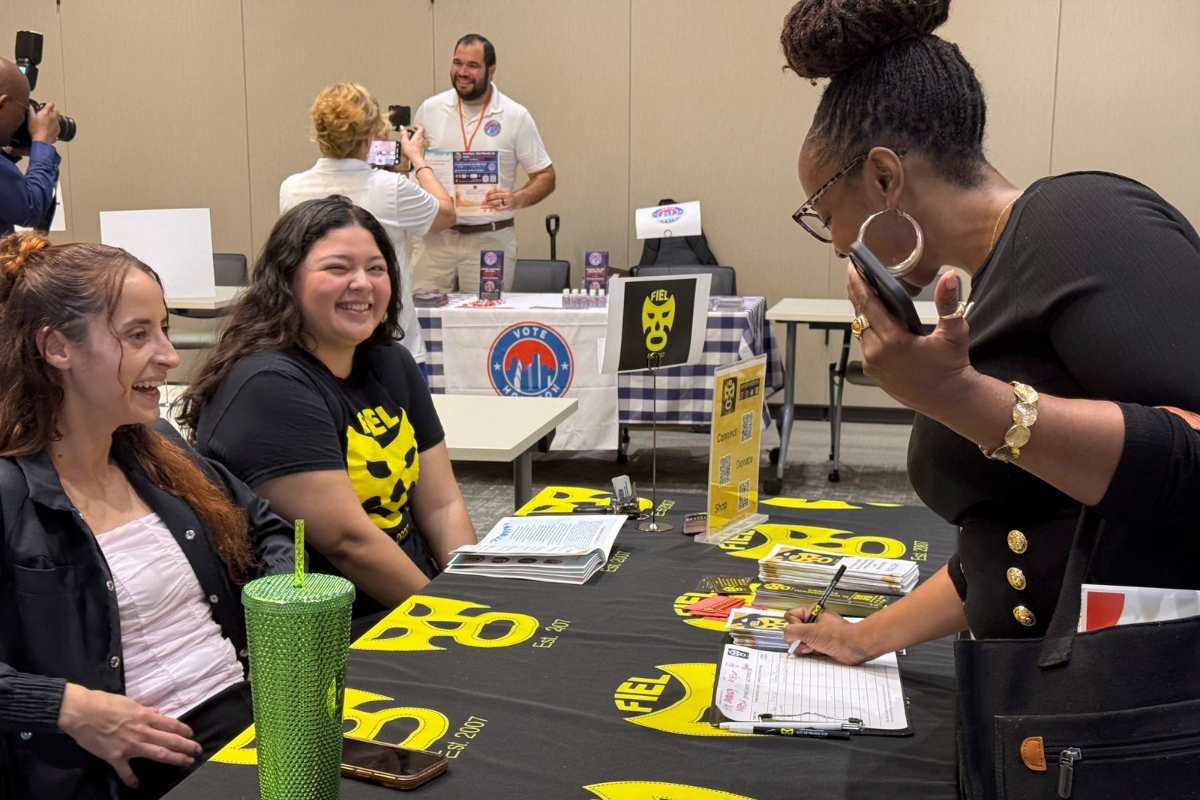
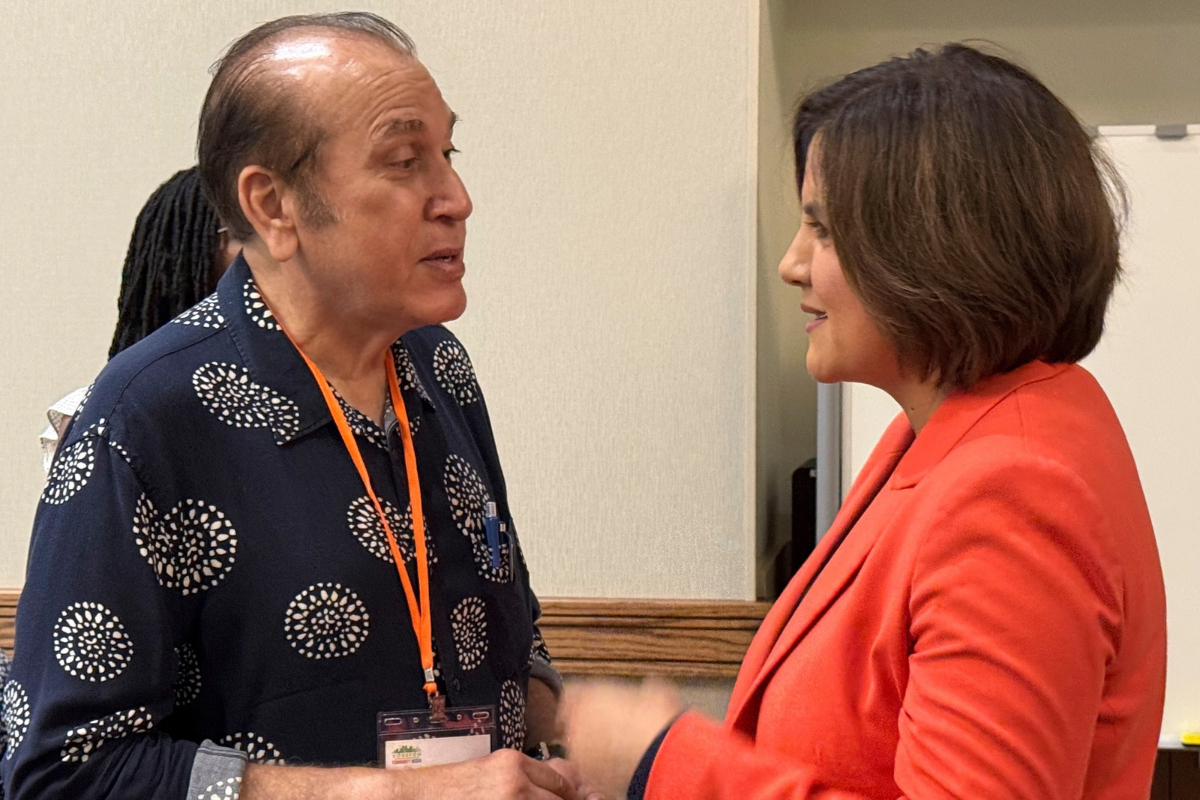
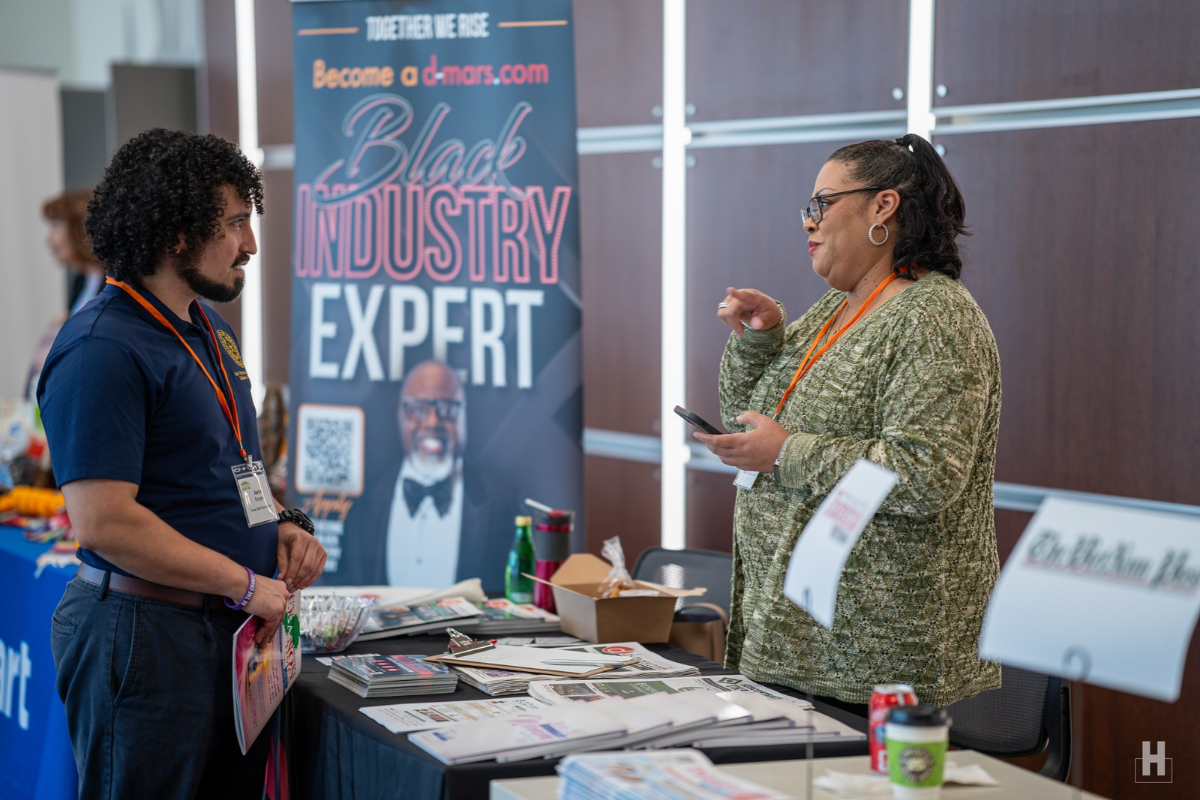
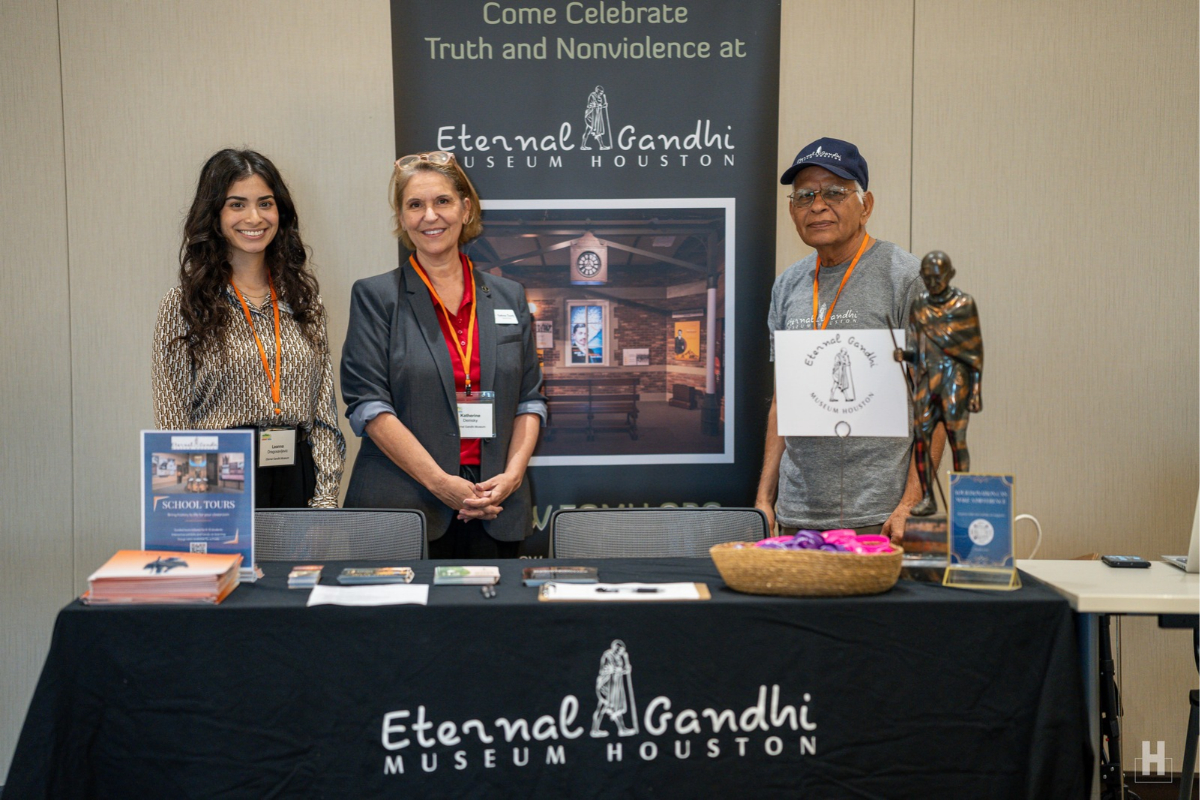
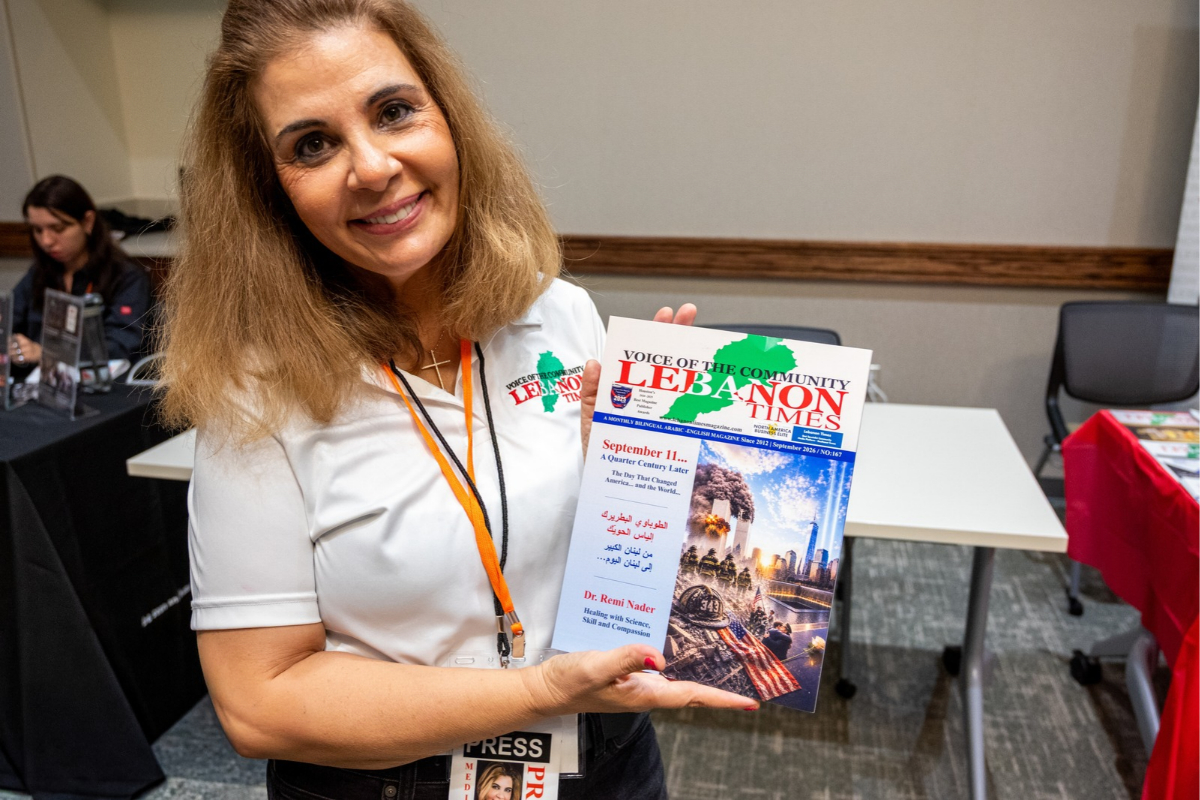
The lawmakers’ remarks were part of a daylong program of discussions, workshops, media exhibits and networking opportunities connecting journalists with public officials, researchers and community organizations.
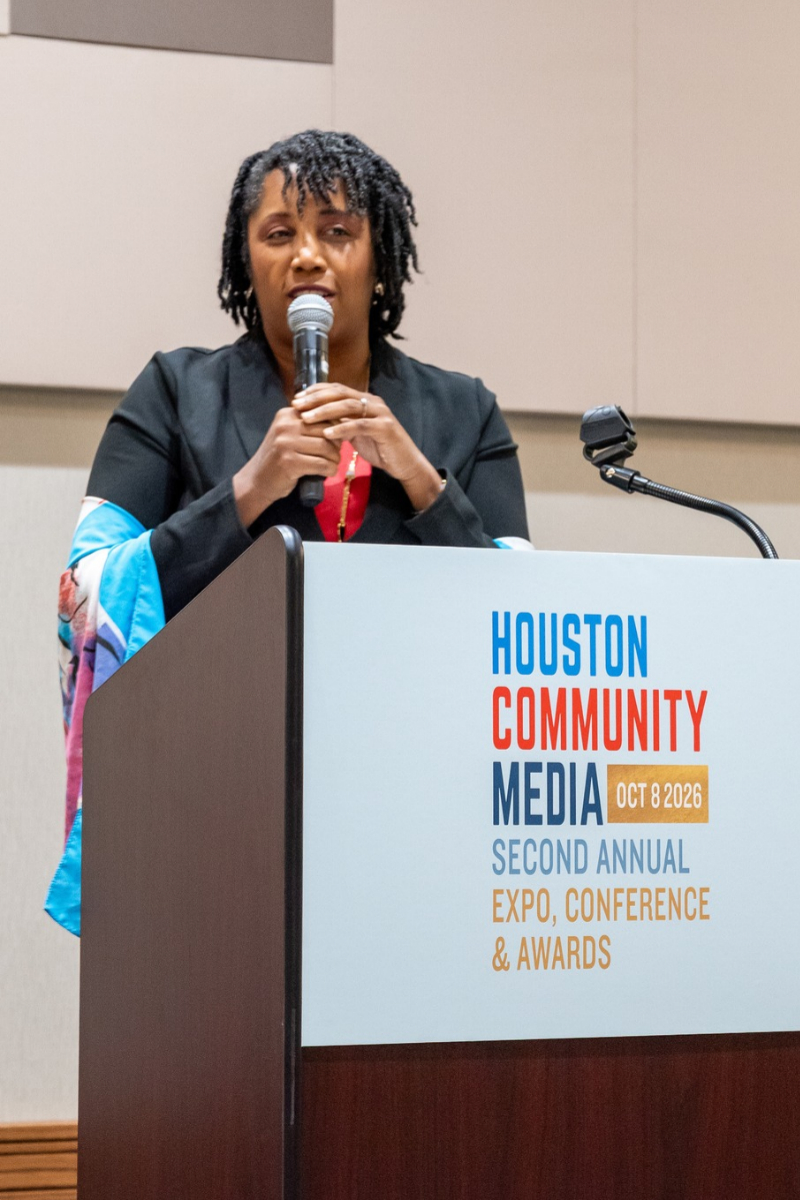
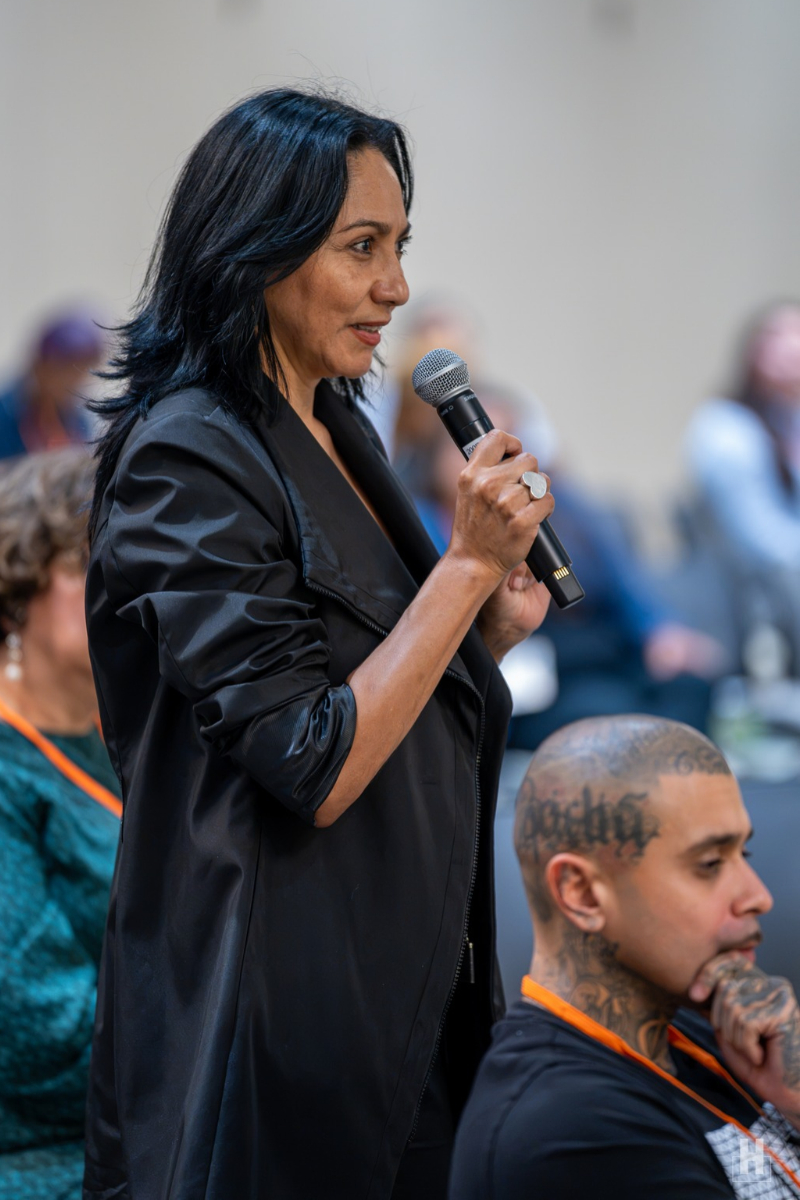
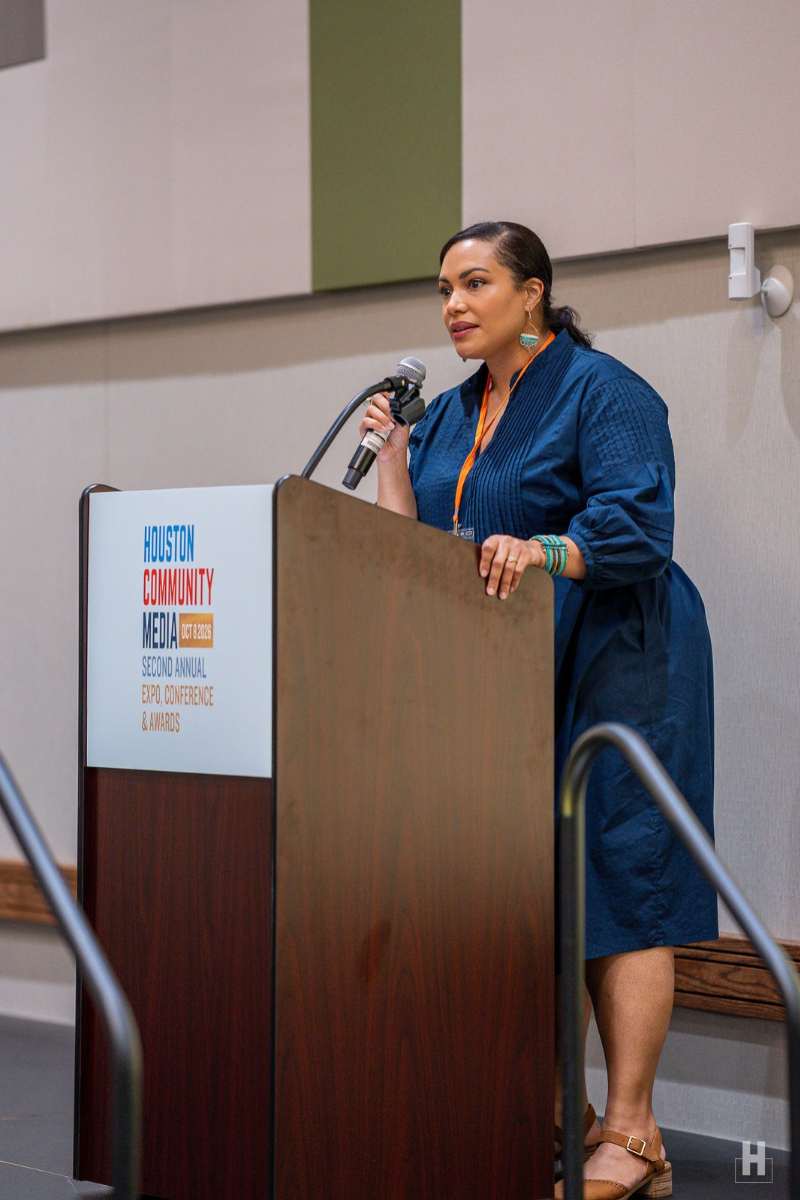
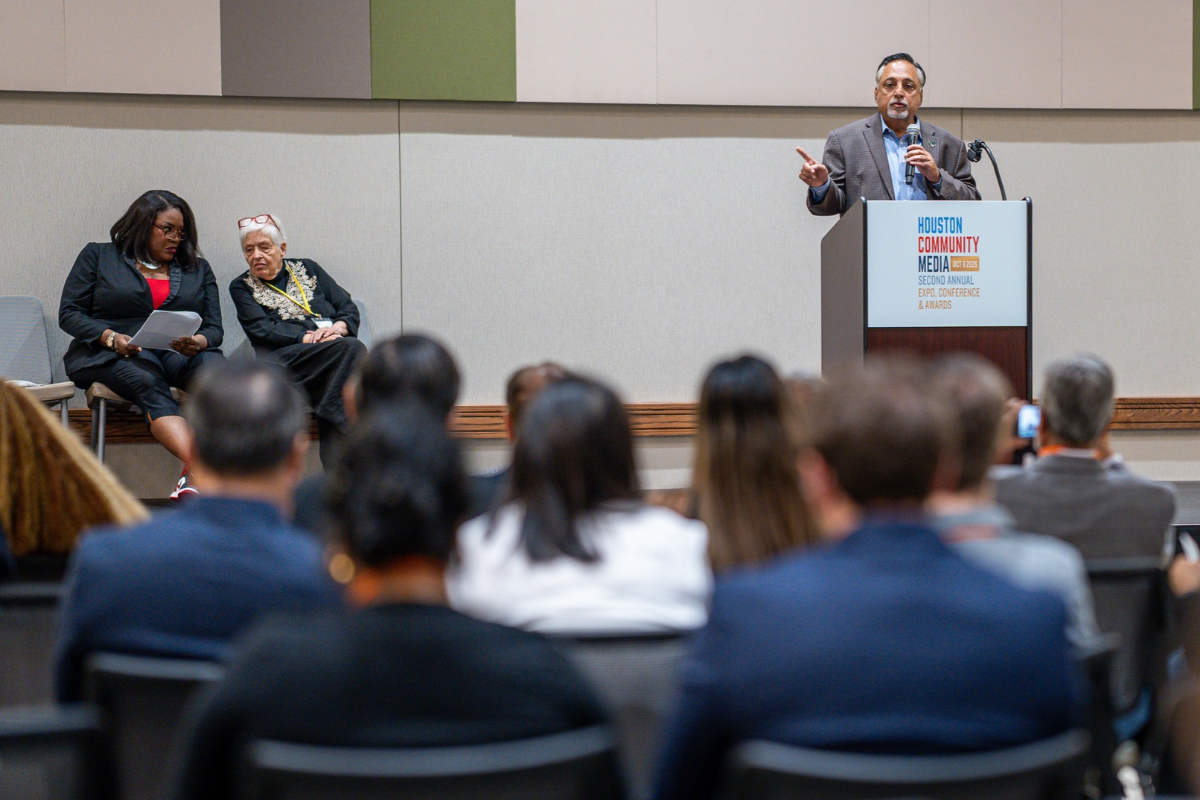
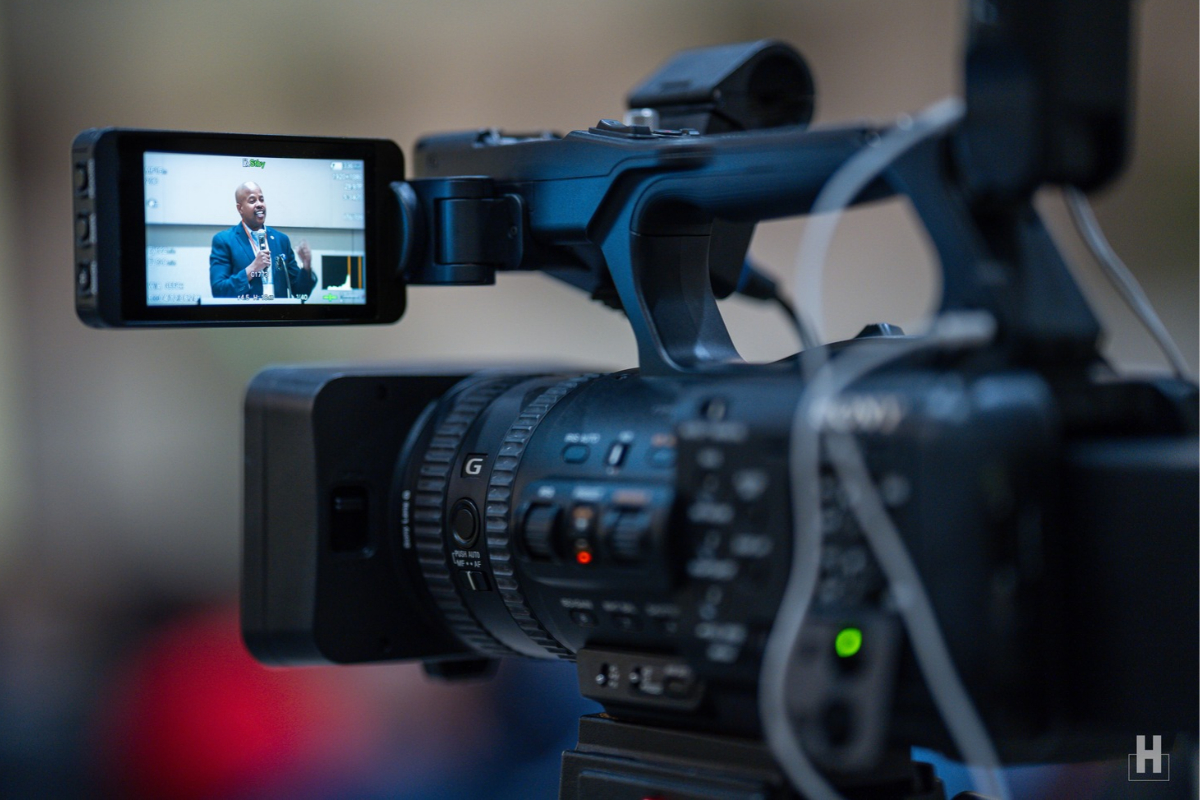
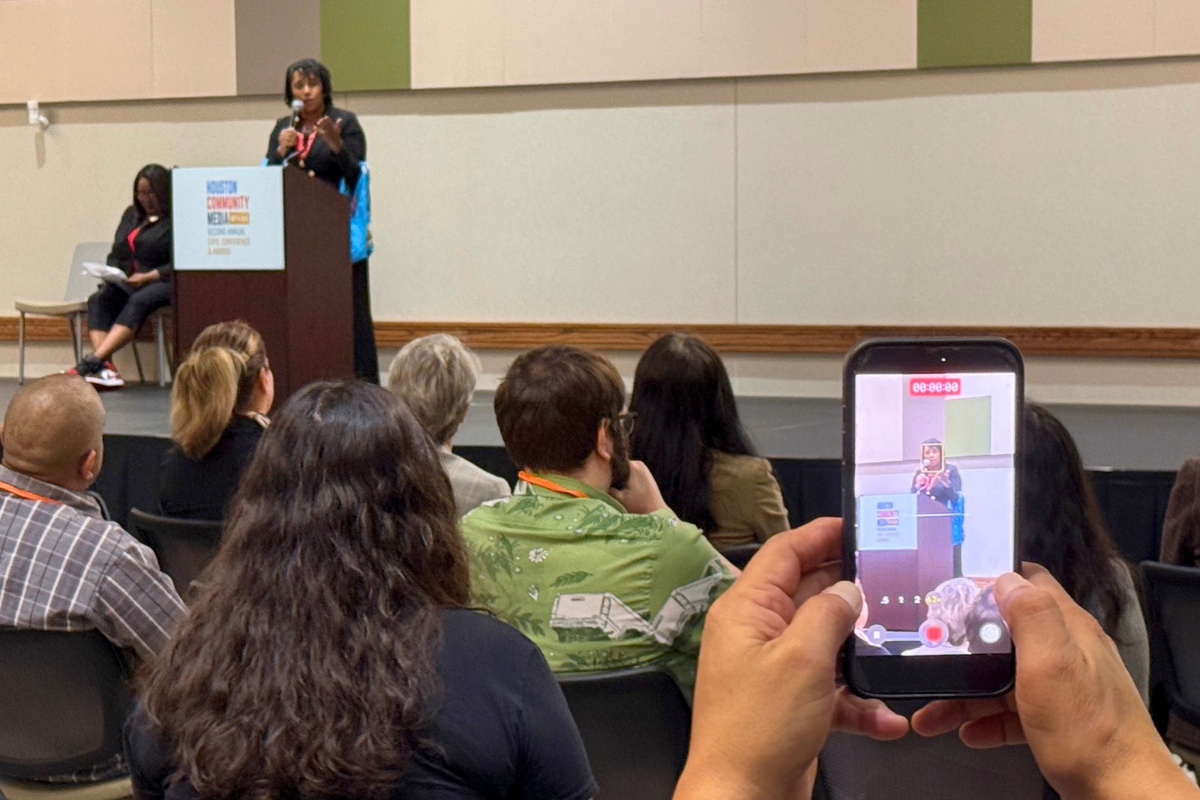
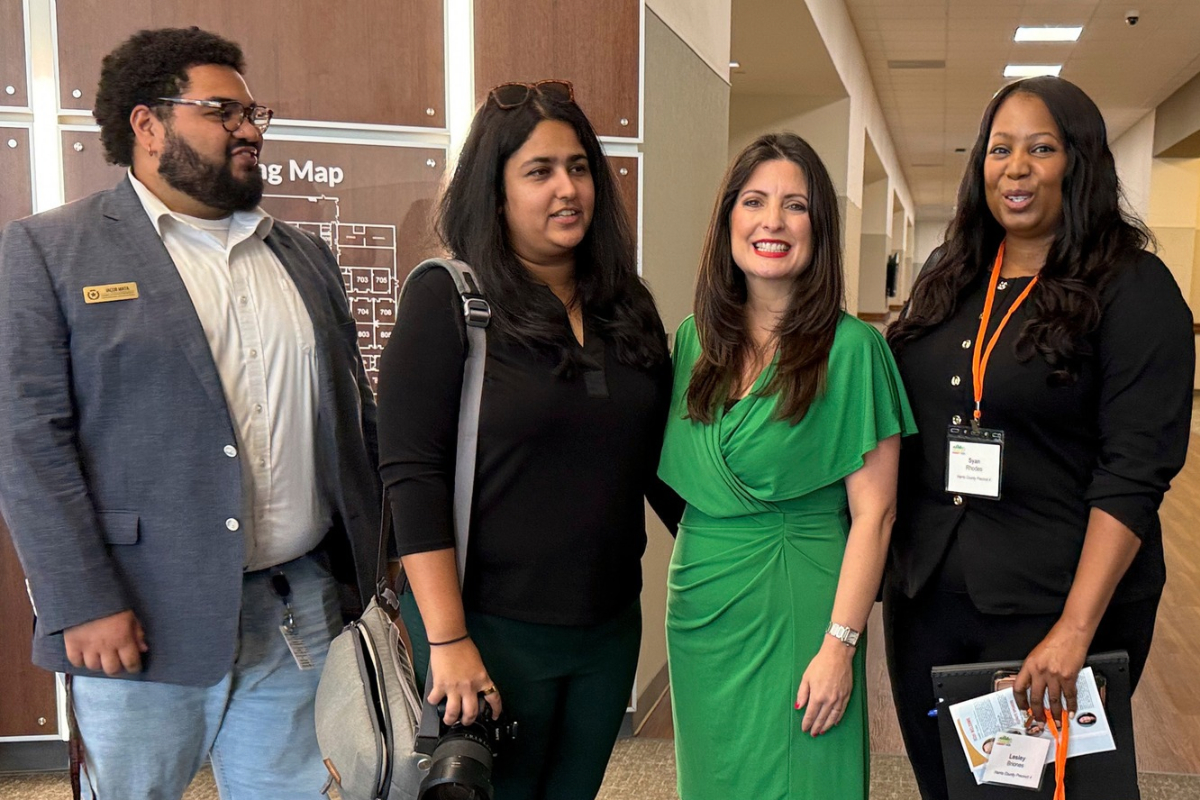
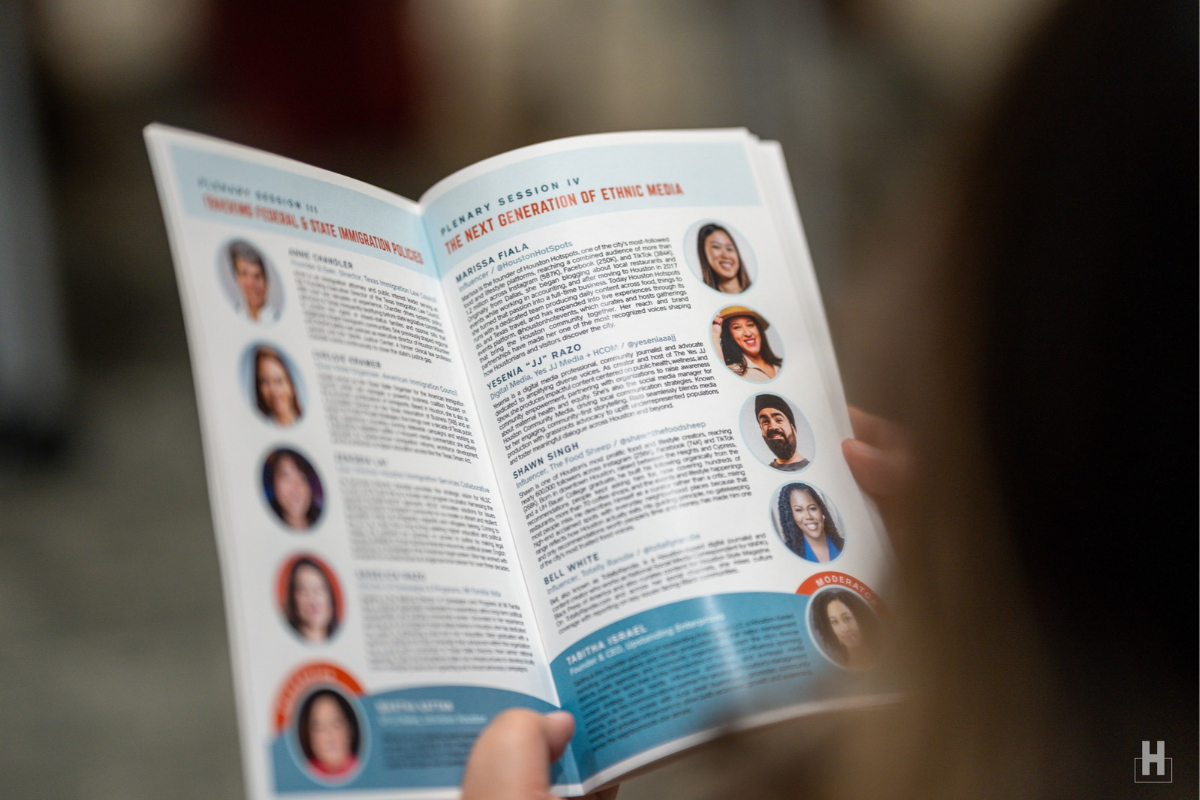
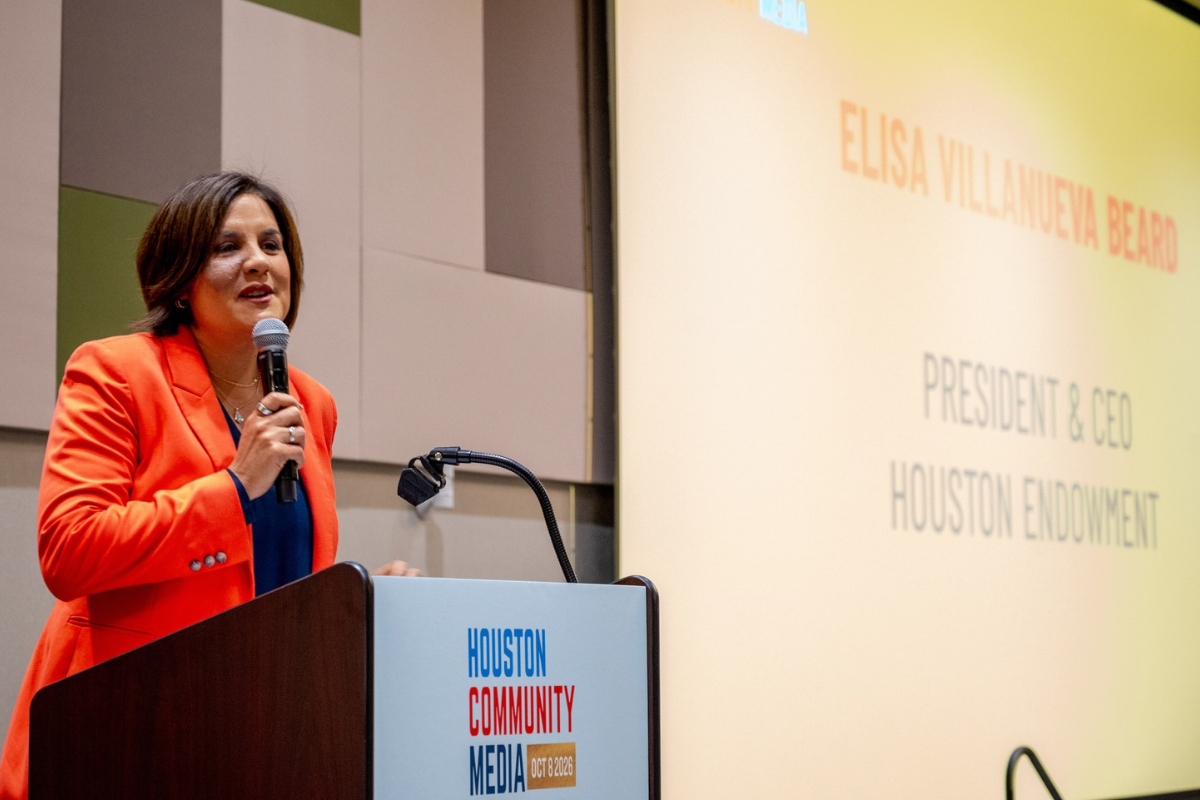
Houston Endowment President and CEO Elisa Villanueva Beard shared a personal story illustrating how trusted, culturally relevant news helps communities prepare for emergencies. She recalled her grandmother gathering neighbors around a Spanish-language television in South Texas to follow Hurricane Gilbert in 1988, helping them make decisions to protect their families and homes.
“You are that television in the corner,” Villanueva Beard told the journalists, reminding them that their reporting provides information, connection and a sense of belonging to people they may never meet.
Ruth López Turley, director of Rice University’s Kinder Institute for Urban Research, emphasized the relationship between research and community journalism.
“We need each other,” she said.
Turley discussed research documenting food insecurity and economic hardship among Houston-area families, arguing that data have limited value if the findings never reach the people they describe.
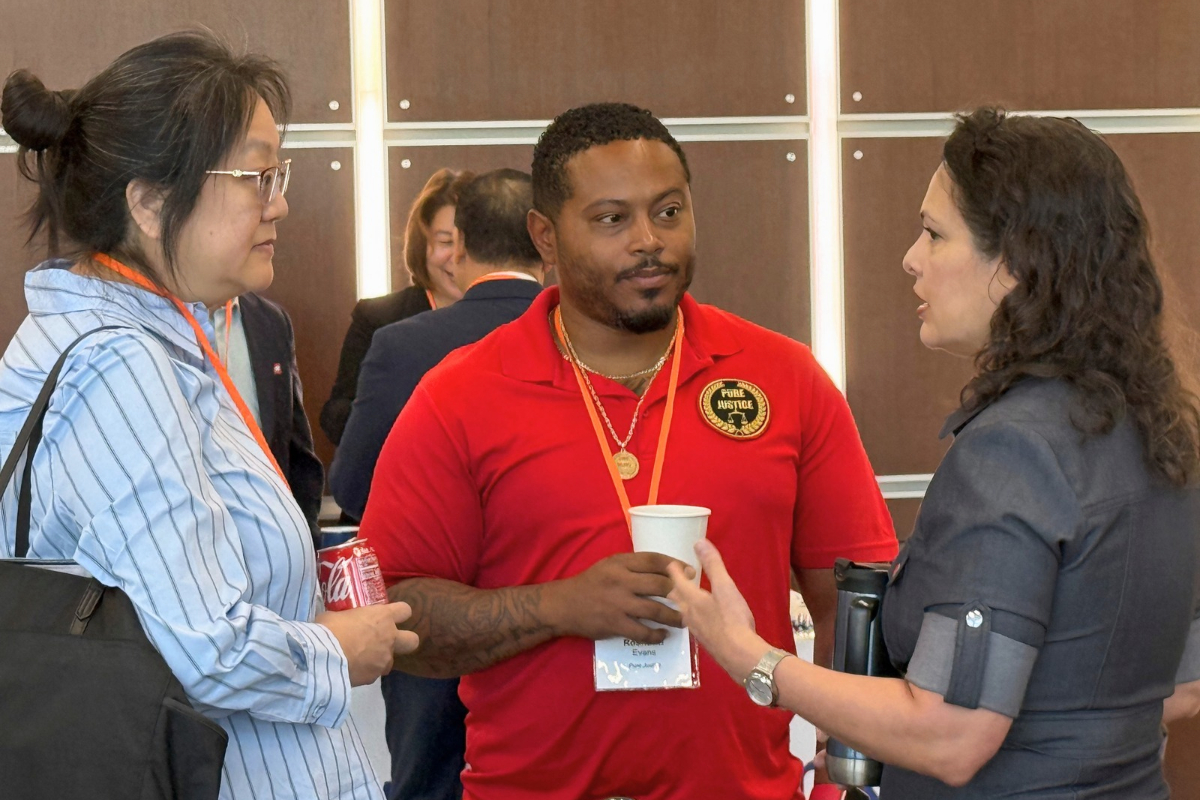
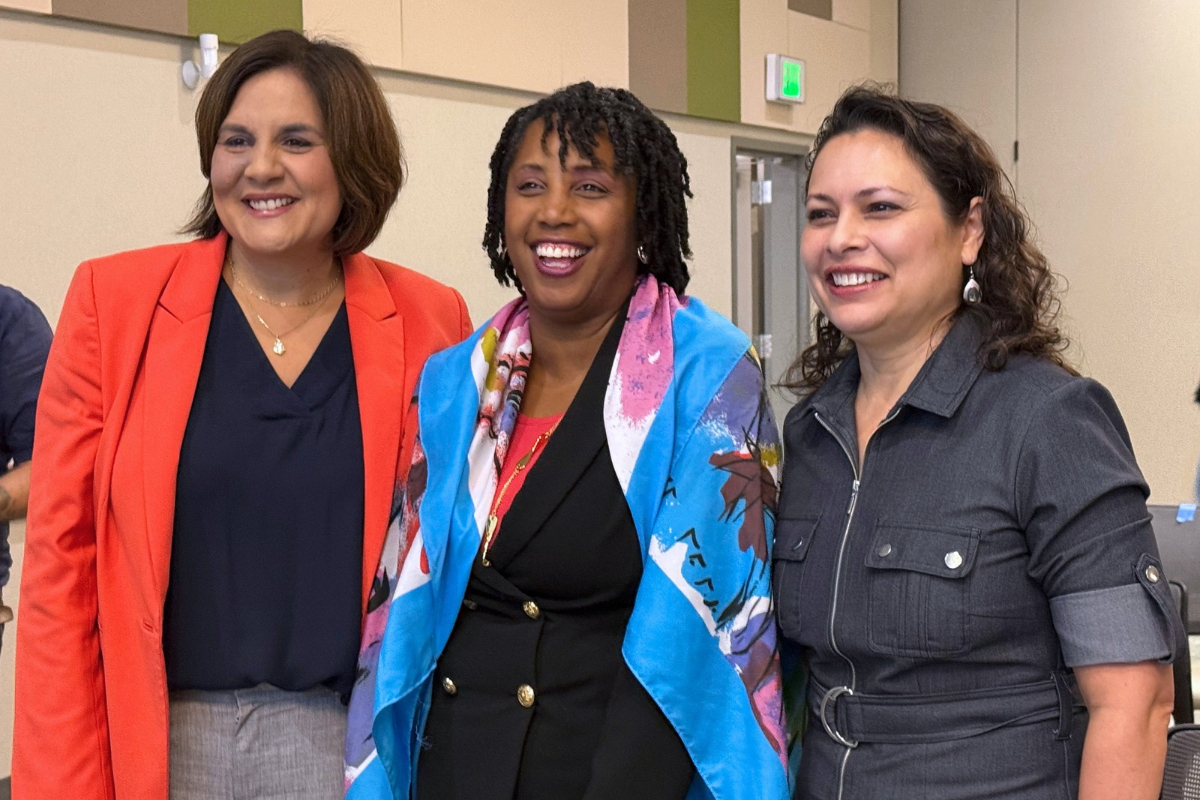
Harris County Administrator Erica Lee Carter, daughter of the late U.S. Rep. Sheila Jackson Lee, recalled her mother’s close relationship with ethnic media, particularly during the COVID-19 pandemic.
Carter emphasized the need for county departments to build relationships with community outlets to ensure residents receive information about government services and resources.
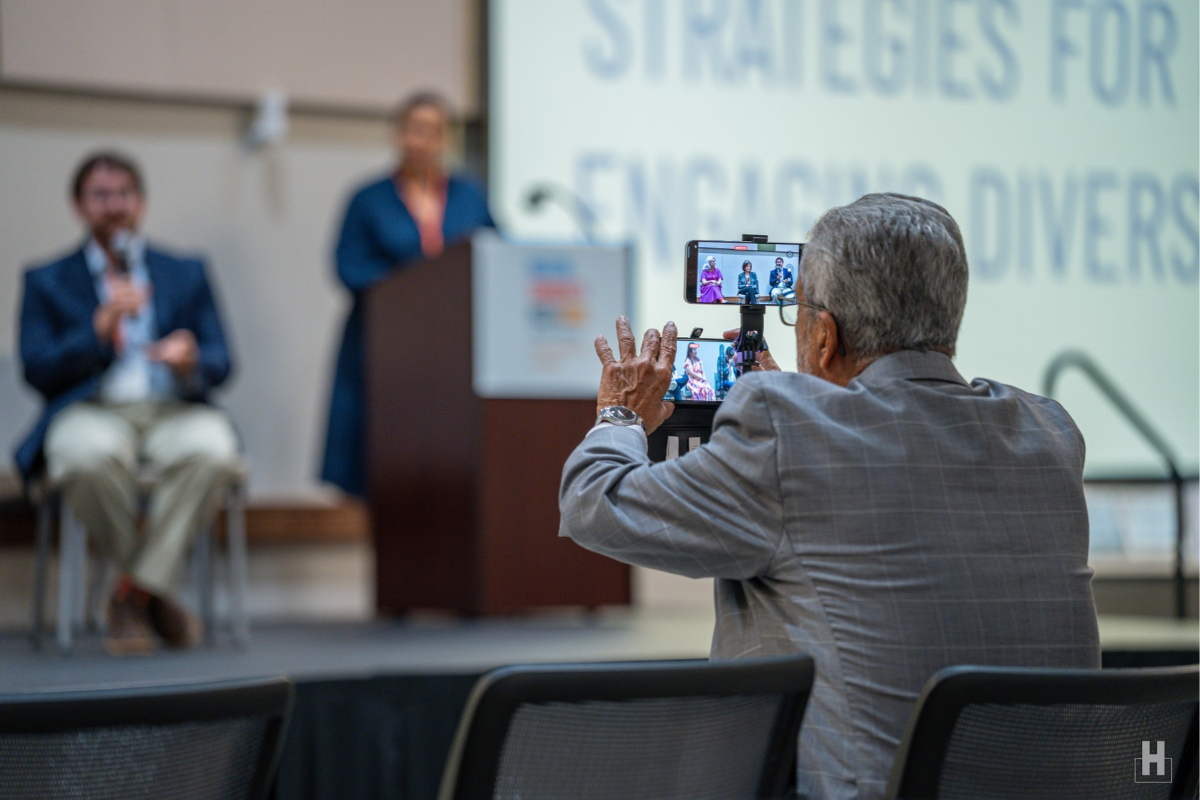
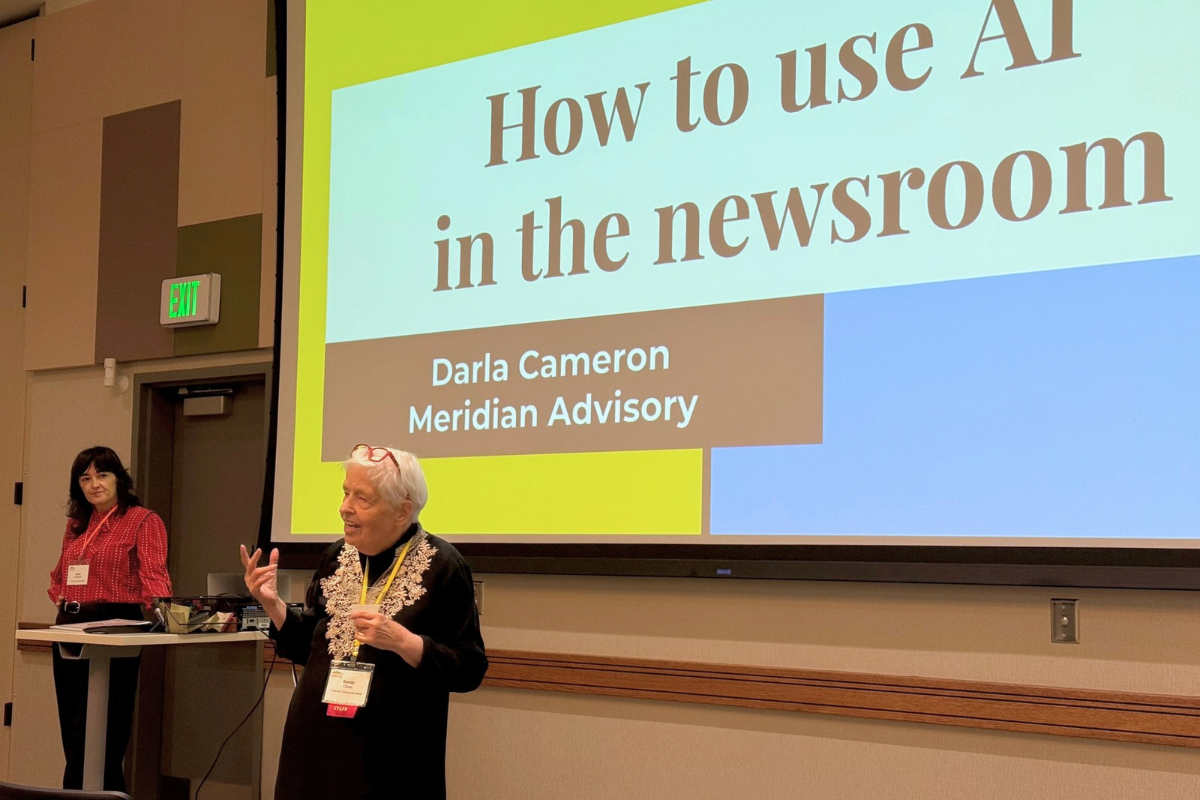
The agenda also featured discussions on strategies for engaging diverse communities, tracking federal and state immigration policies, and the next generation of ethnic media, along with a workshop on using artificial intelligence in the newsroom.
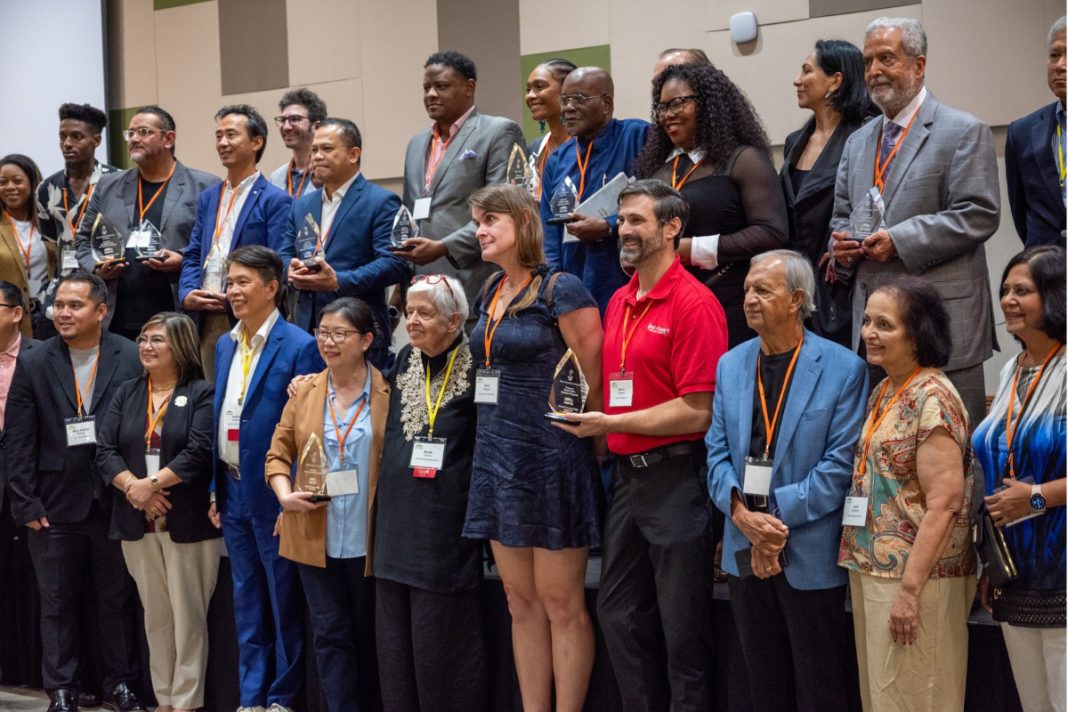
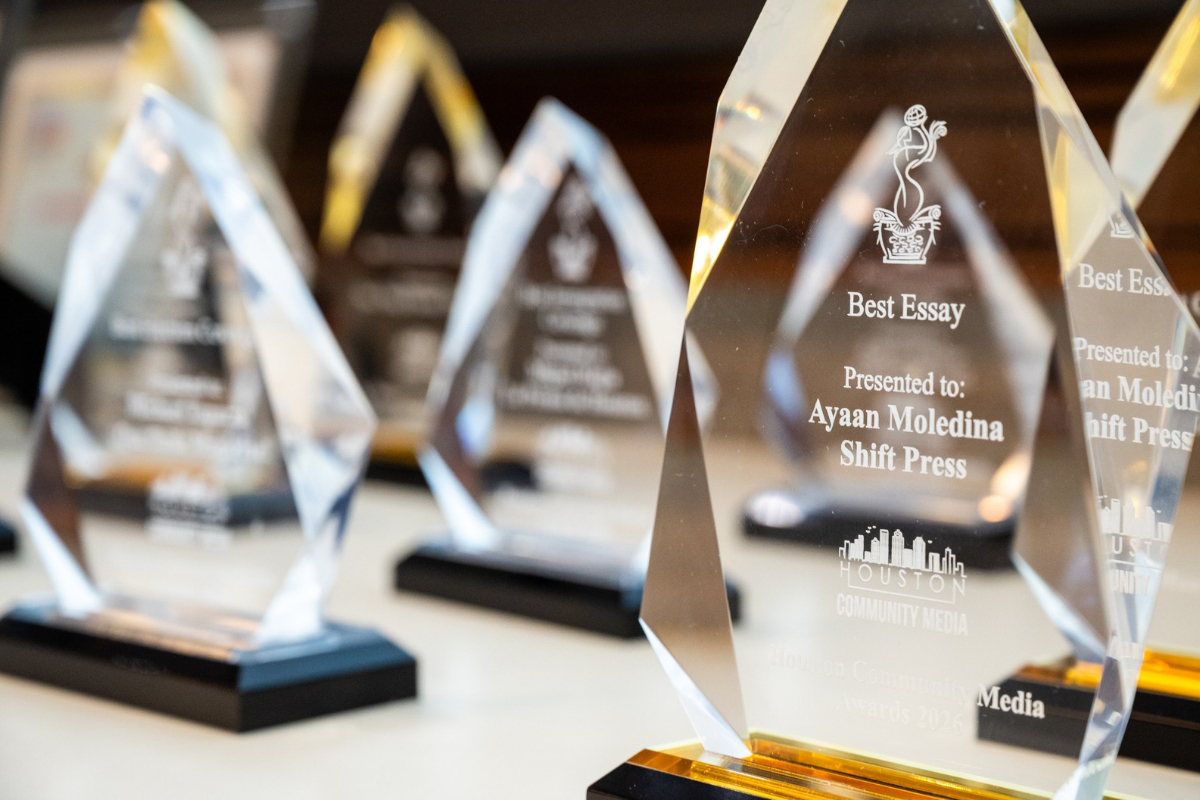
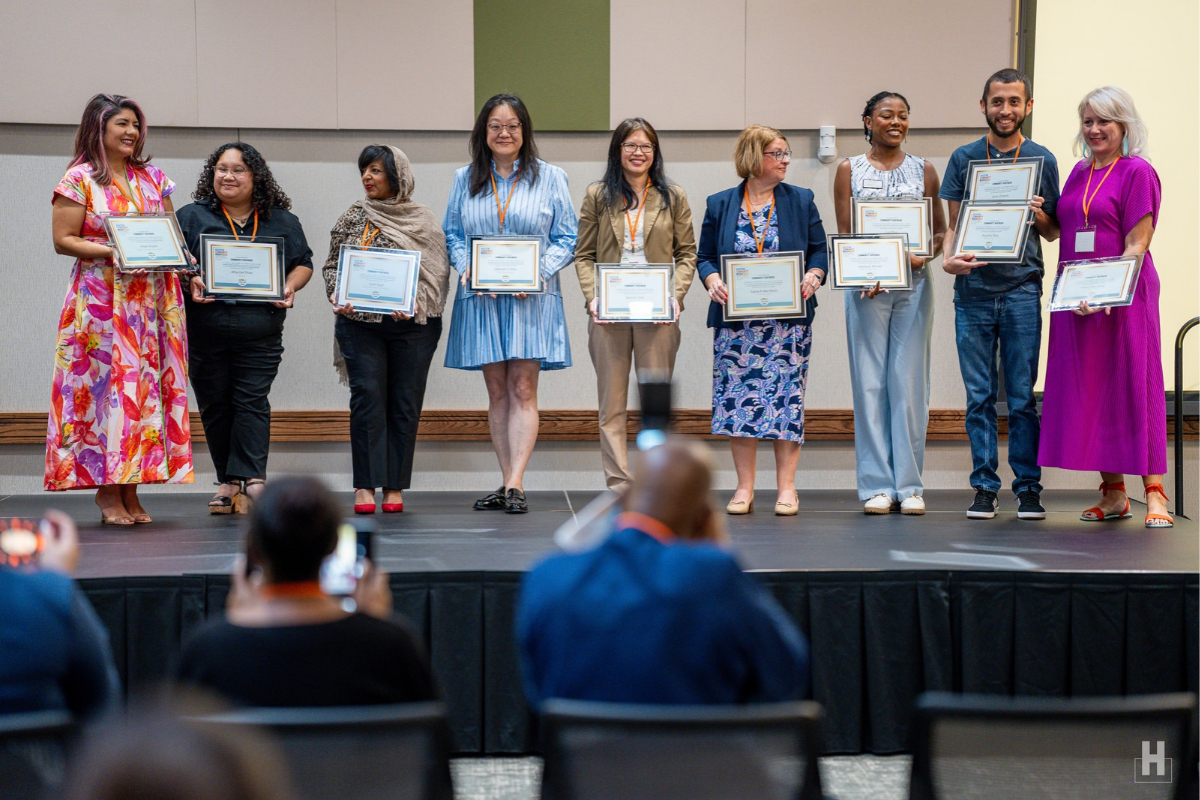
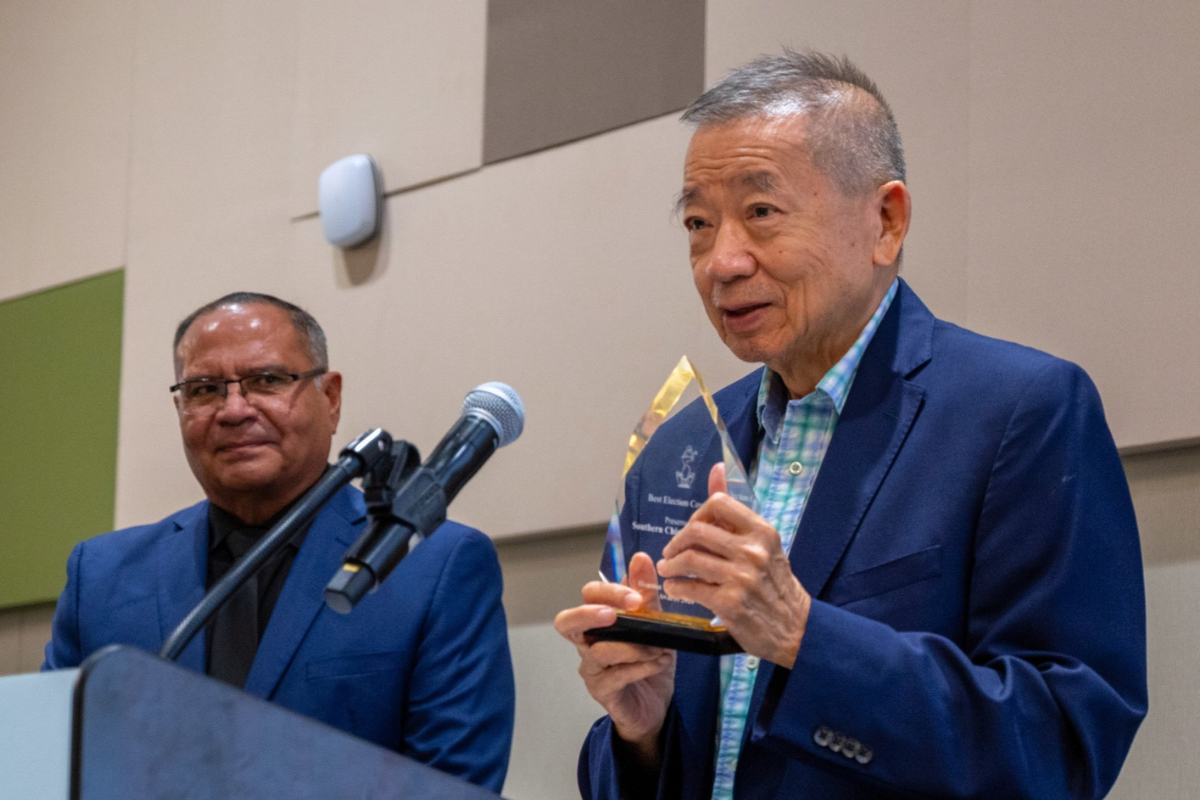
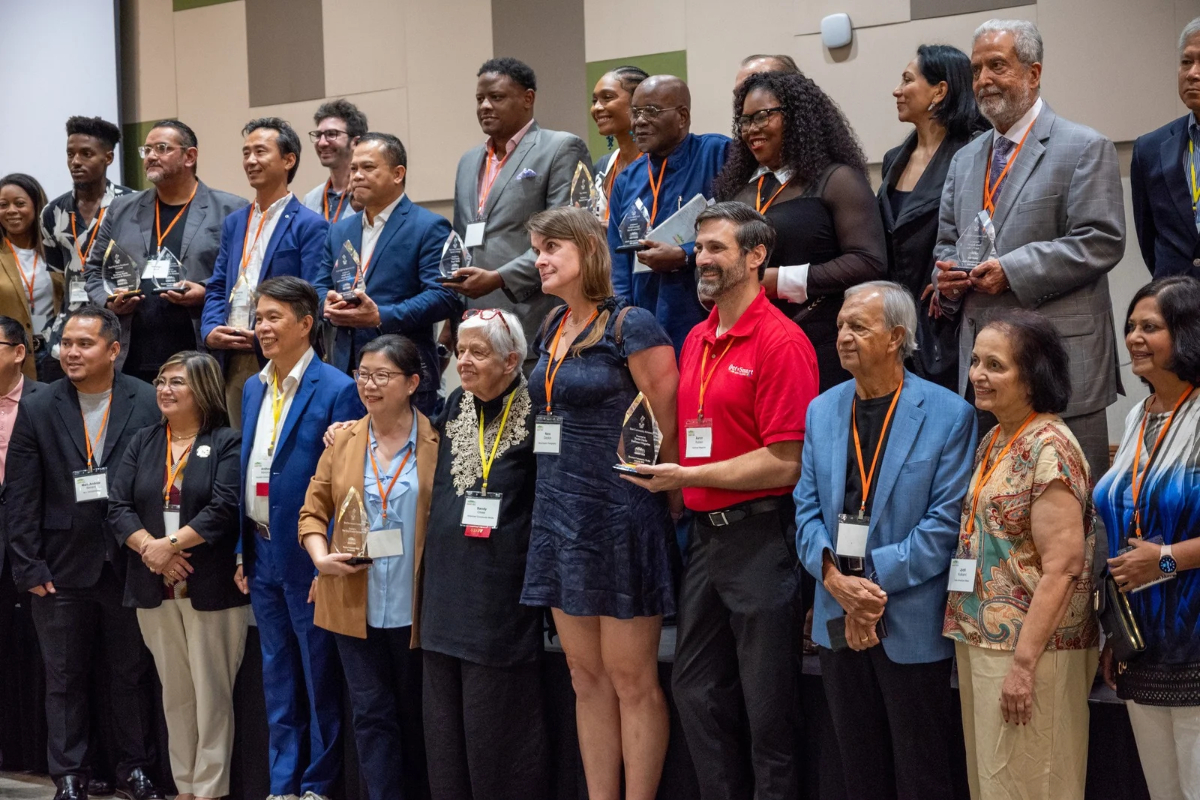
The Expo concluded with the Houston Community Media Awards, recognizing journalism that often receives little attention outside the communities it serves.
More than 80 entries were submitted across eight reporting categories, reflecting the breadth of journalism produced by Houston’s ethnic and community newsrooms.
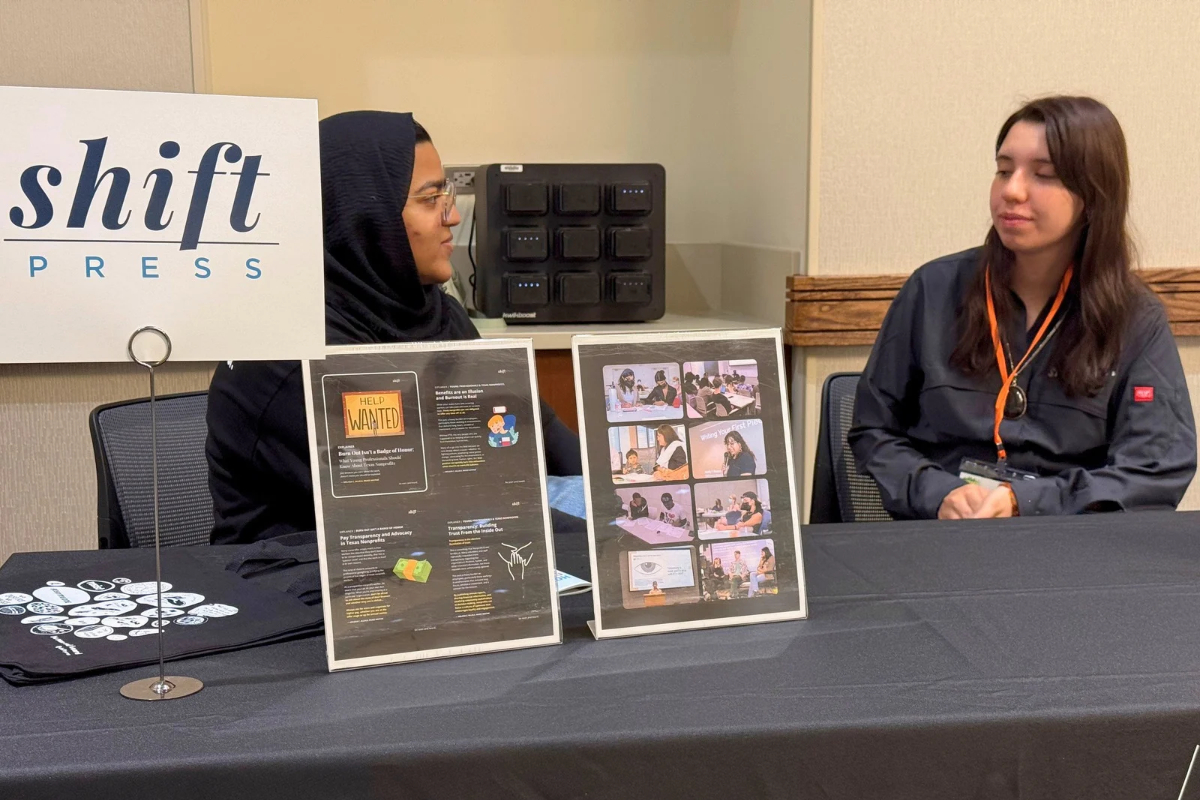
Among the winners, OutSmart Magazine documented the removal of rainbow crosswalks in Houston’s Montrose neighbrohood; high school journalists at Shift Press examined immigration enforcement, student press freedom and youth advocacy; and La Esquina TX investigated land sales and foreclosures affecting Latino families in Liberty County.
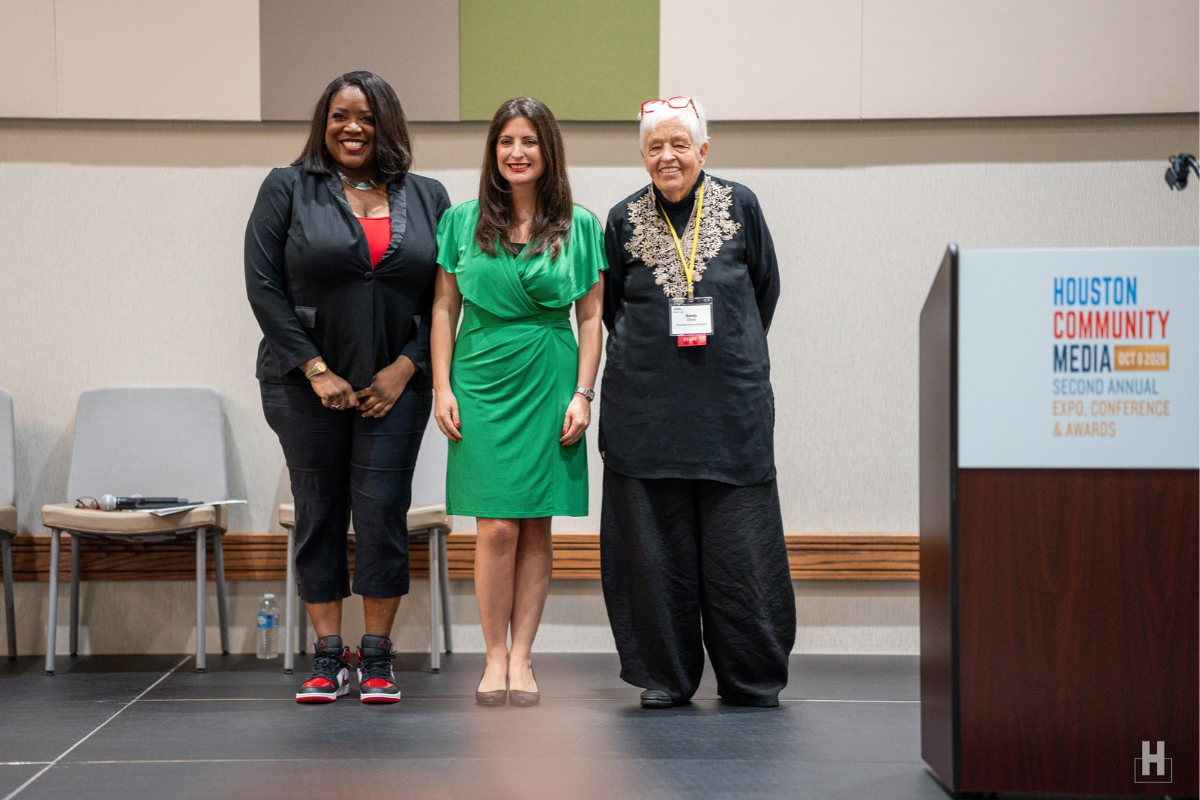
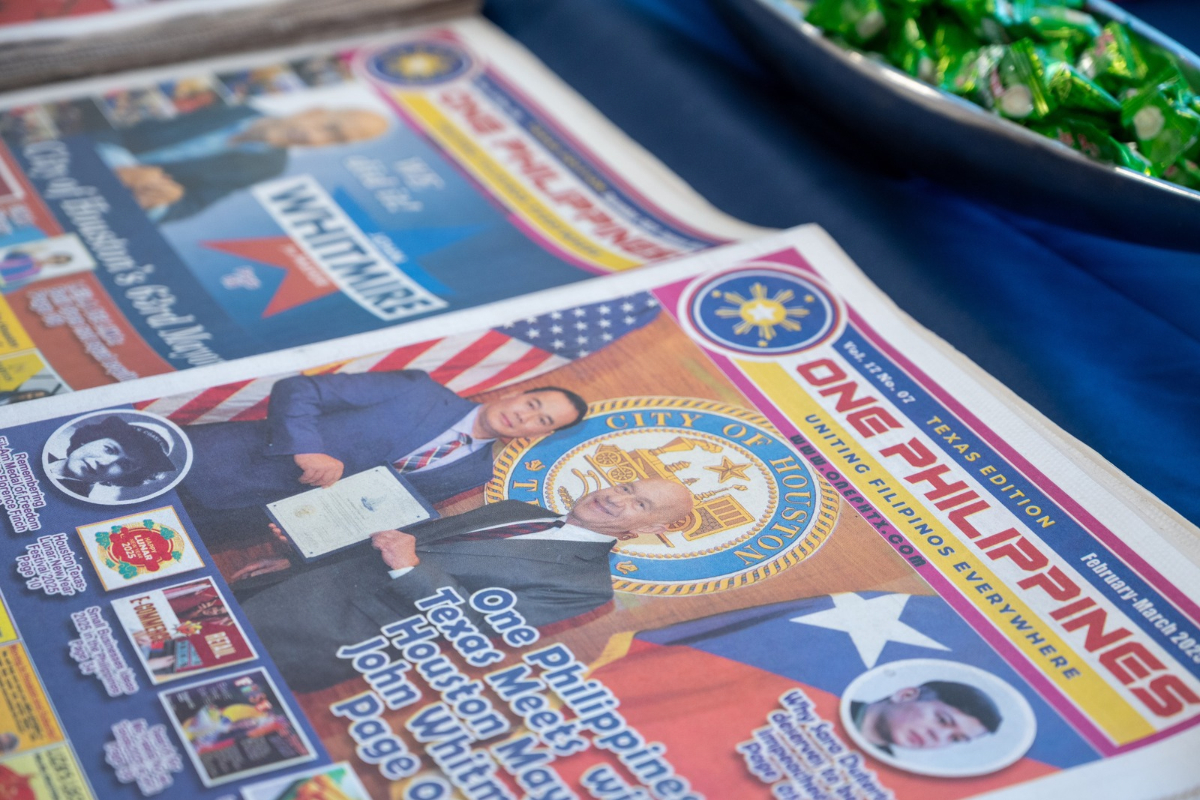
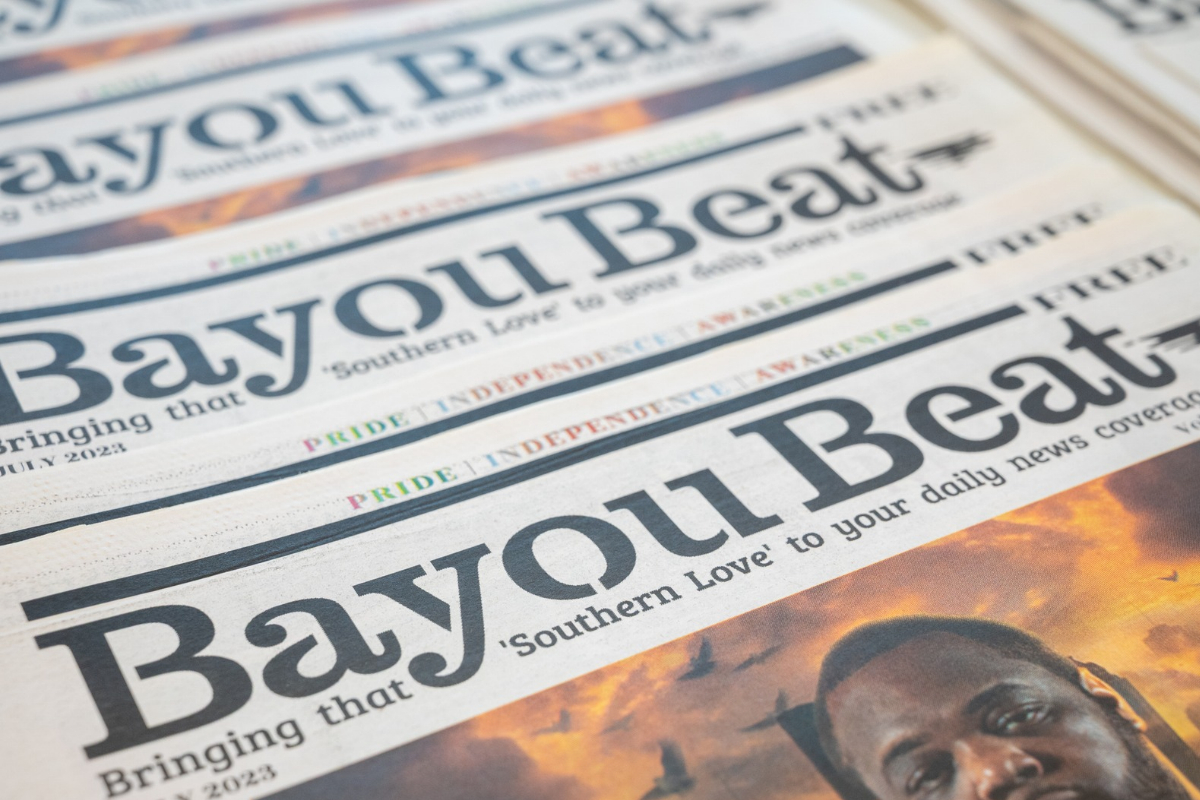
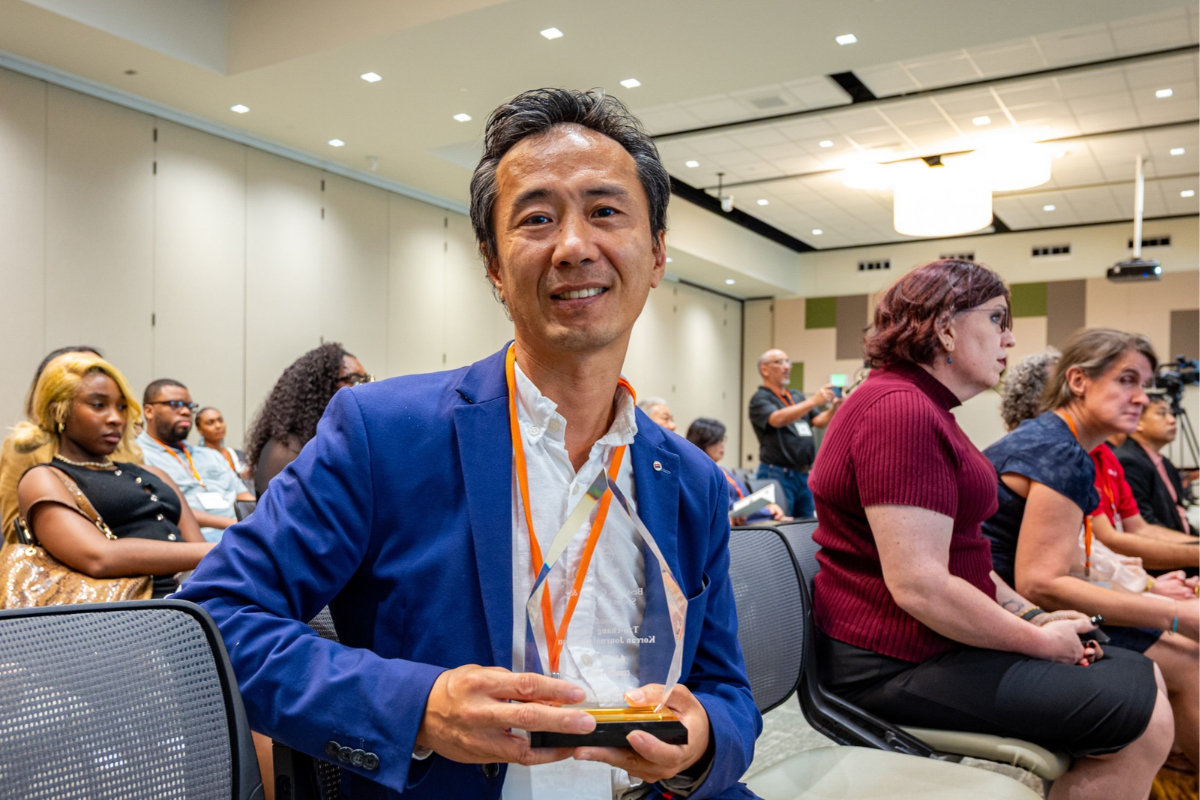
Texas Chinese Radio was recognized for programming helping Chinese-speaking families navigate taxes and parenting, while Korean Journal Houston covered the revival of a Korean American softball league after a decade-long absence. The Houston Forward Times, a Black-owned newspaper founded in 1960, earned recognition for its website and original reporting.
“At a difficult time for independent newsrooms, this award encourages us to keep investing in stories that demand time and attention,” José Luis Castillo, founder and editorial director of La Esquina TX, wrote in his acceptance statement.
Beyond the awards, the Expo signaled a shift in how Houston’s institutions engage with ethnic media.
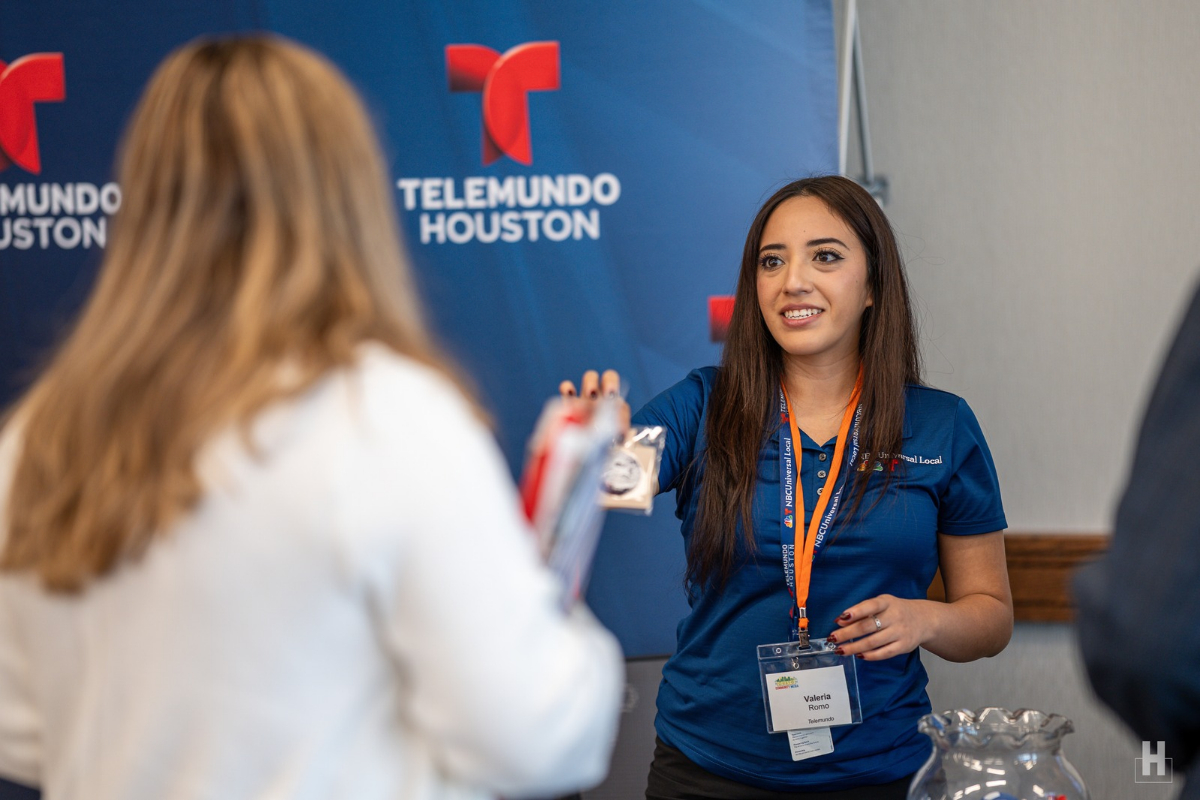
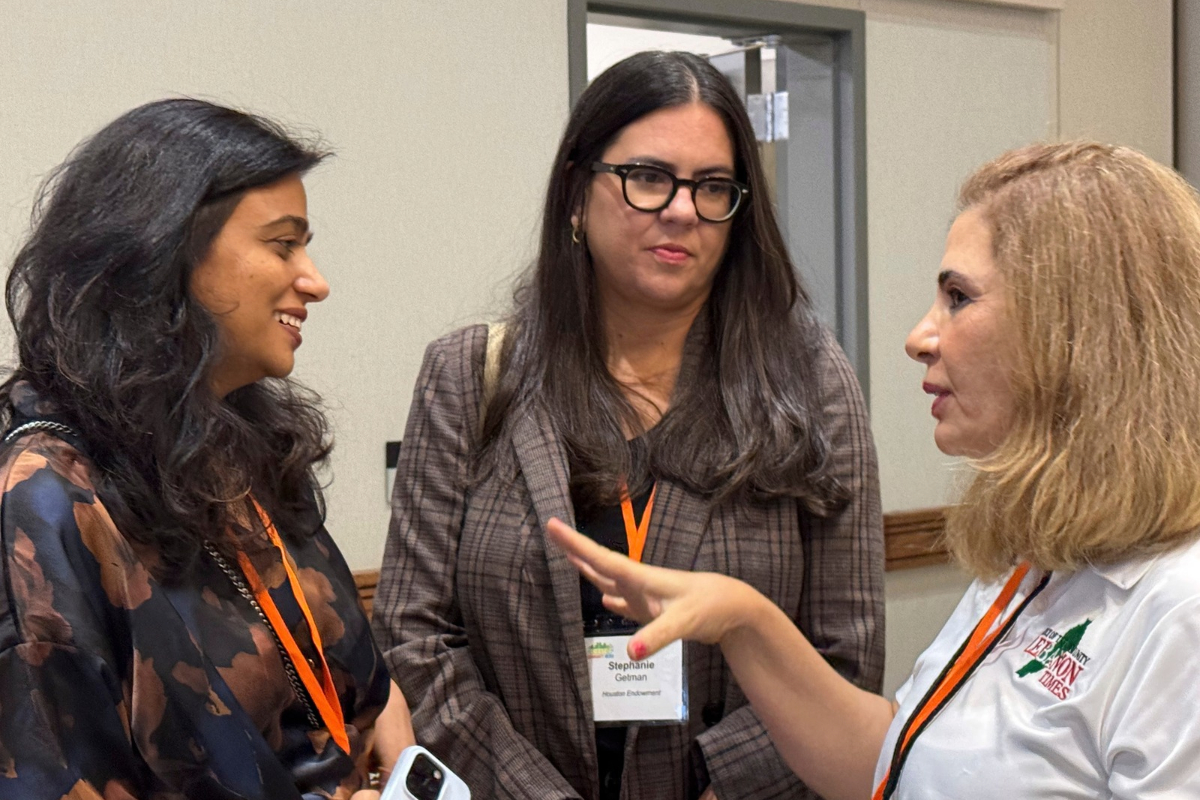
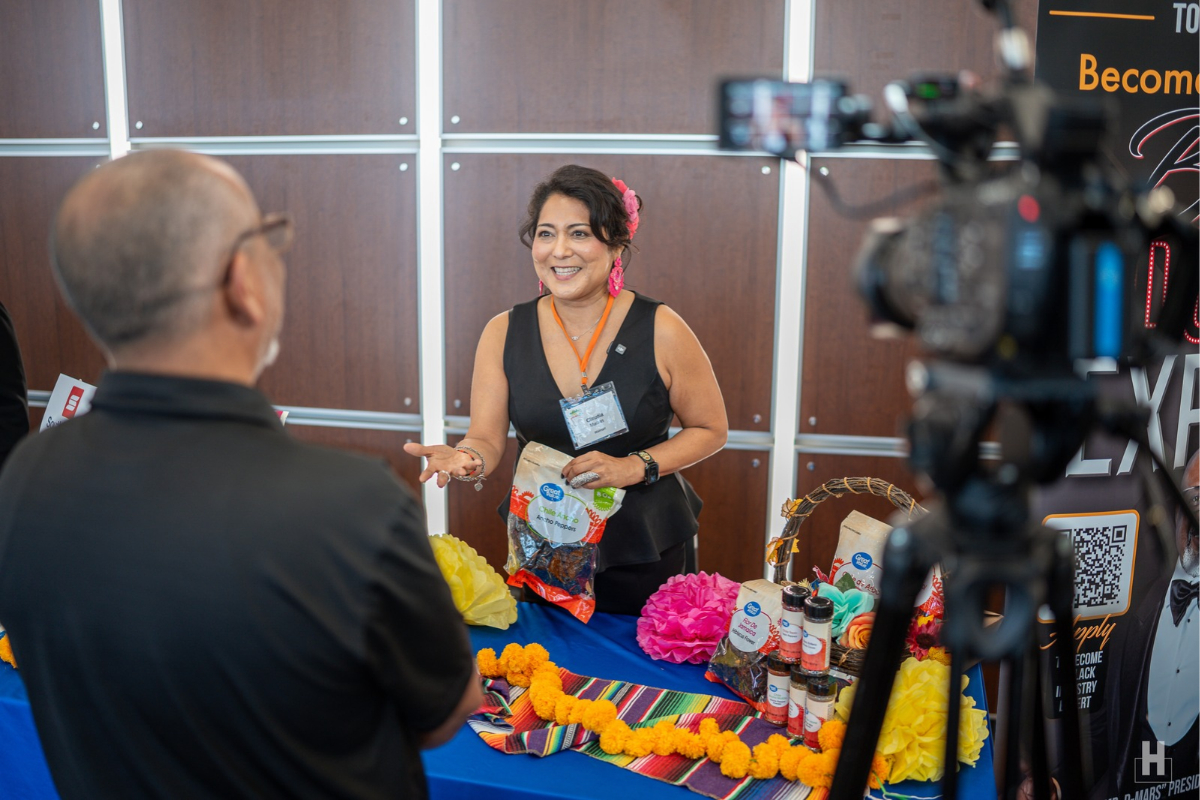
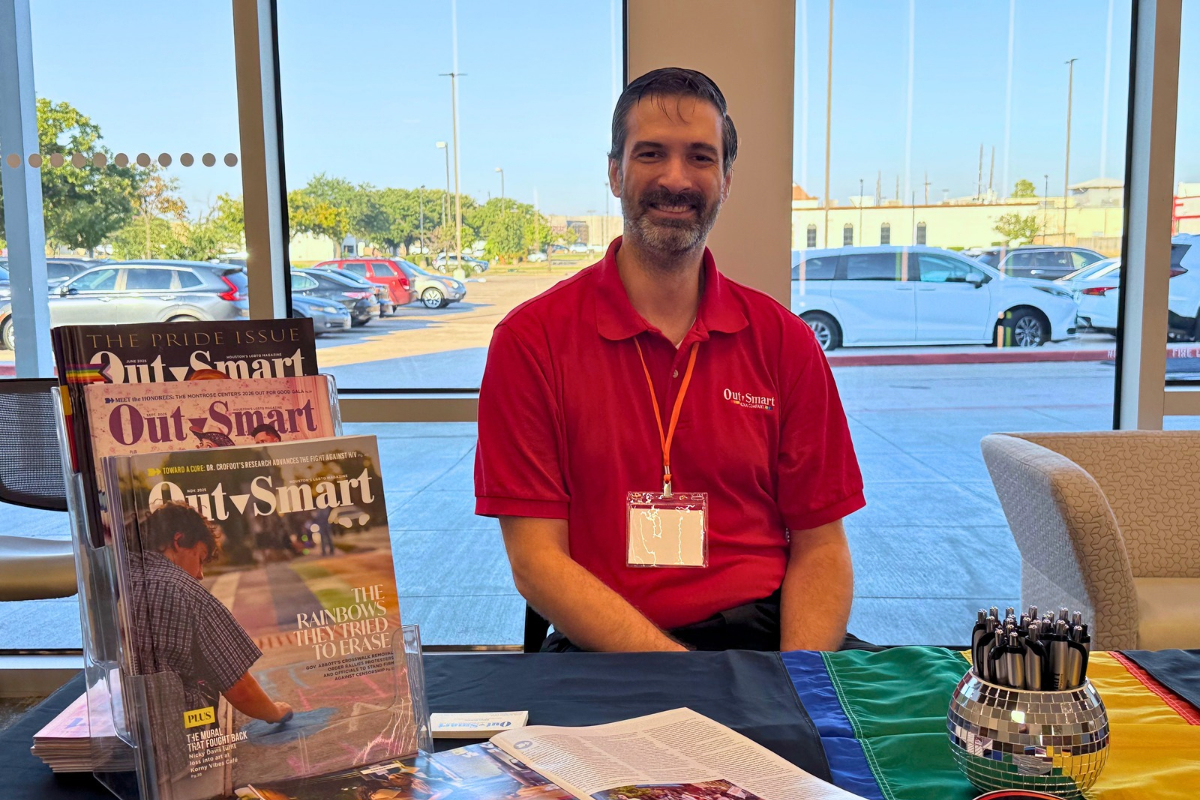
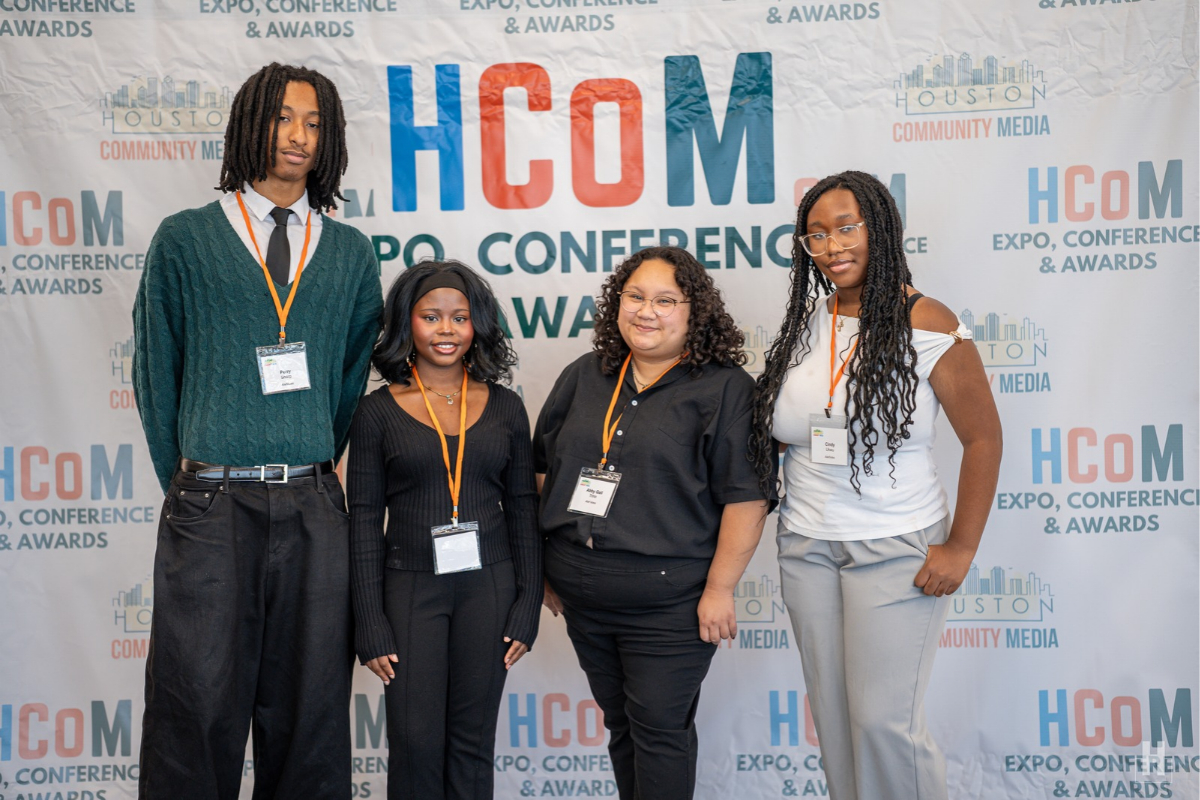
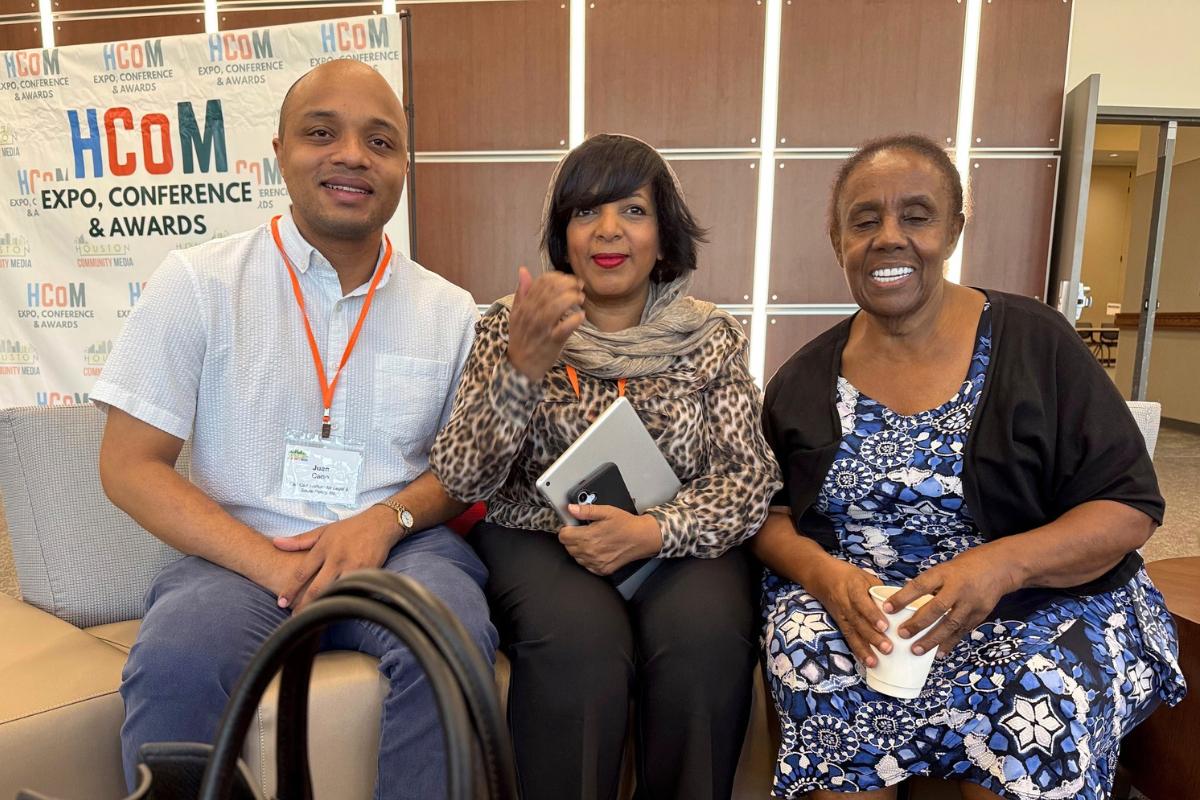
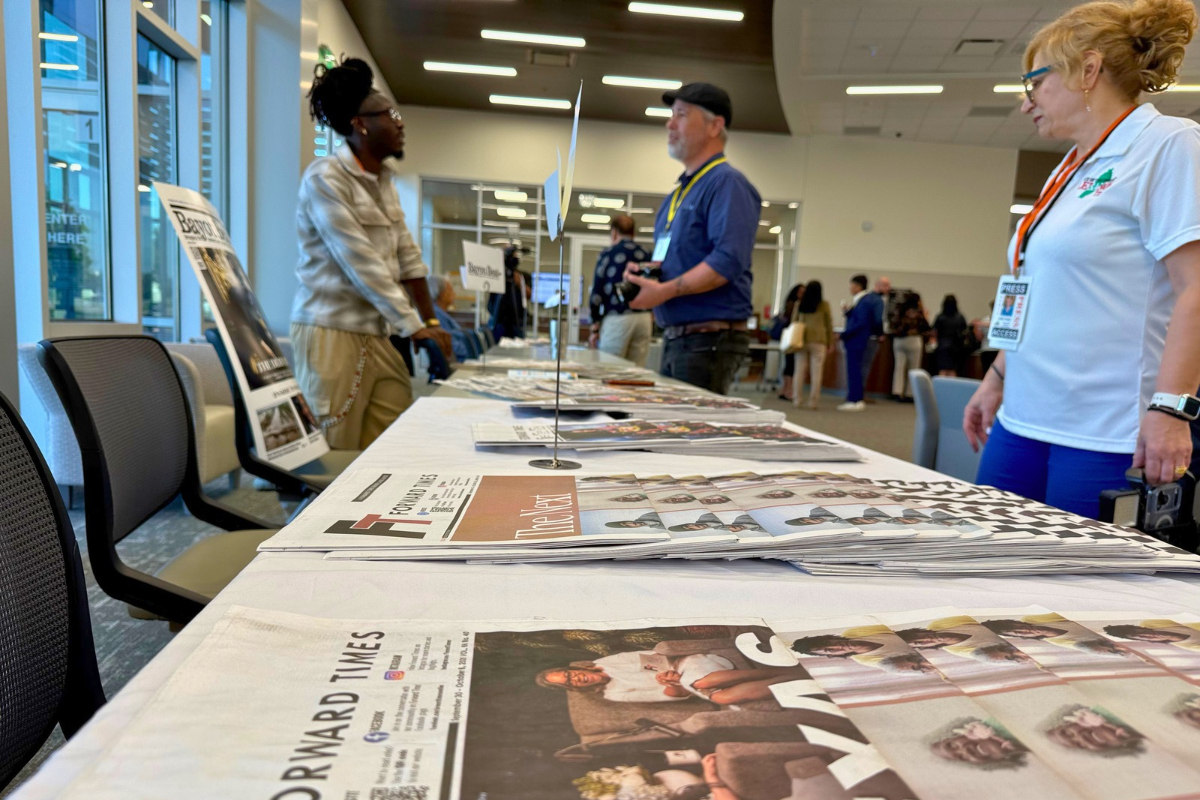
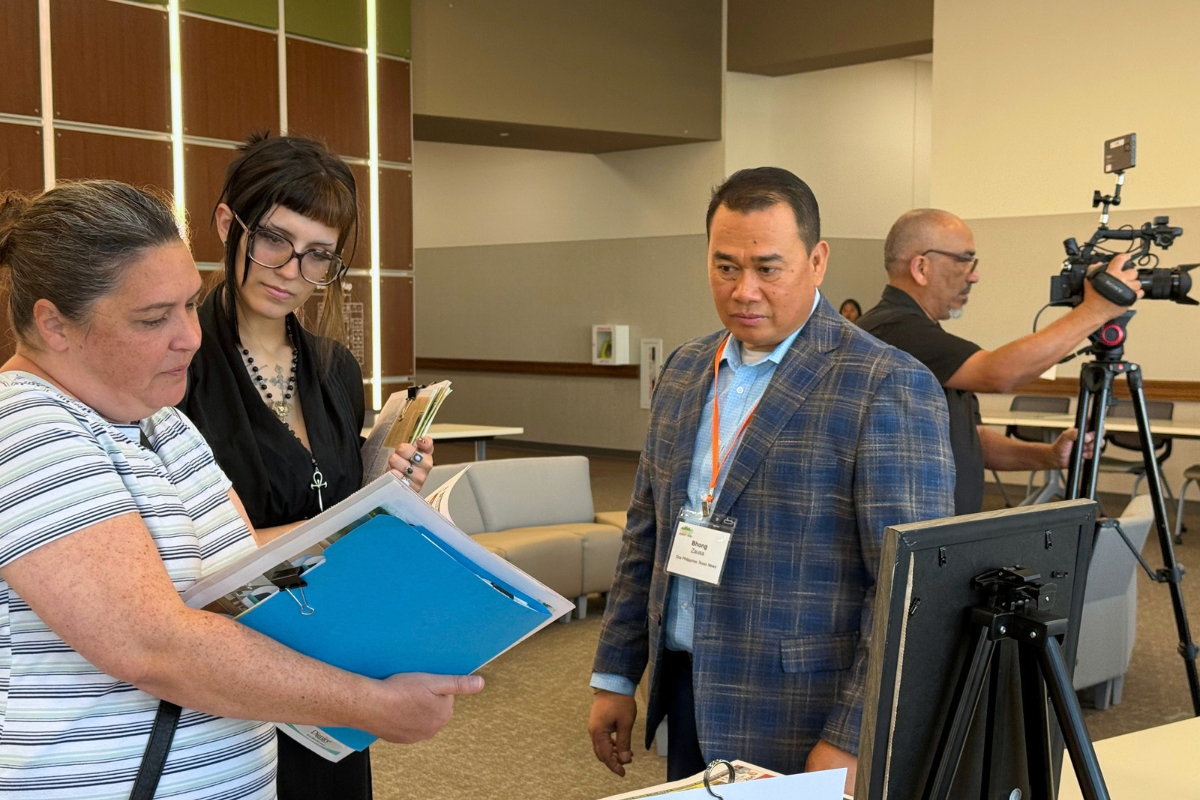
“This year, exposure was the big word,” said HCoM Co-Director Nakia Cooper. “More people are beginning to truly understand the purpose of what we do.”
For Nguyen Lee, HCoM’s logistics director, who has helped build the coalition’s relationships from the ground up, that shift is tangible.
“We’ve sustained our relationships with our media partners over three years, the cohort is growing and we’re making new connections — people in city and county agencies are coming to us,” Lee said. “To no longer have one-sided outreach — this is very nice.”
Photos by Rony Canales, Peter Schurmann & David Pham