


Lawmaker Discusses Juvenile Justice, Education and Mental Health in First of Three Conversations on the Well-Being of Young Texans
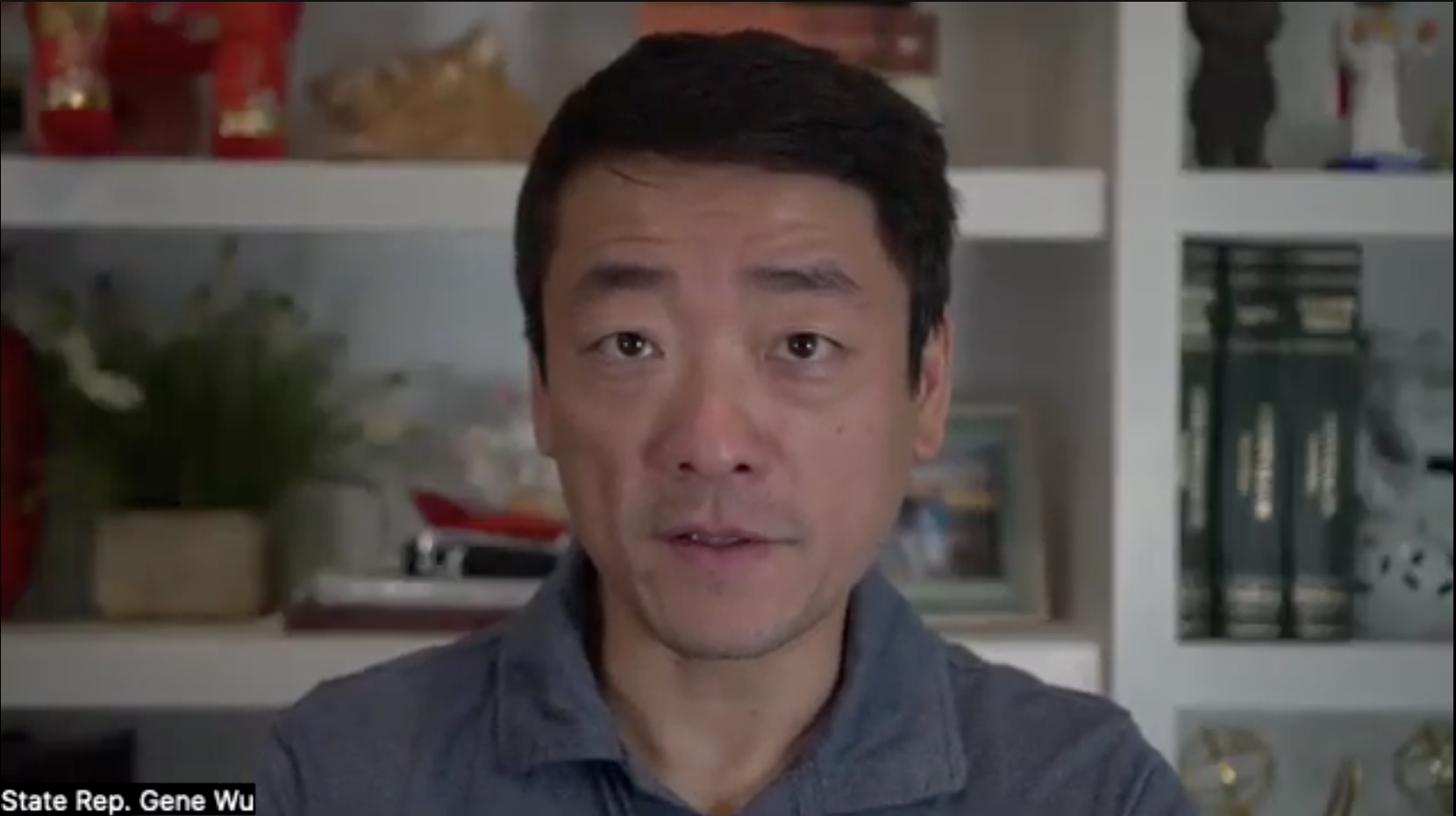
Houston Community Media (HCoM) launched its three-part “Who Cares About Youth?” interview series June 18 with Texas State Rep. Gene Wu, who called for greater investment in education, mental health and early intervention as key strategies for improving outcomes for young people and reducing involvement in the juvenile justice system.
The series explores the condition of children and teenagers in Houston and across Texas through conversations with state legislators, examining the challenges young people face and the policies aimed at addressing them. Organizers said the goal is to better understand how lawmakers view these issues while encouraging greater public awareness and engagement.
Wu, who represents House District 137 and serves as vice chair of the House Committee on Criminal Jurisprudence, opened the discussion by urging lawmakers, educators and communities to address the conditions that place children at risk, including limited access to mental health services, educational challenges and a lack of early intervention.
Helping Children Before They Reach the Justice System
Wu said his years as a prosecutor shaped the way he views juvenile justice.
“I saw prosecutors and defense attorneys and judges working together to fix what is wrong with the child, and not just say, ‘How much can we punish this child for acting the way that they did?'” Wu said.
That experience, he said, reinforced what Texas law already envisions for young people.
“The word is rehabilitation,” Wu said. “Every single thing that we do in a state by law should and must go towards rehabilitation.”
Rather than viewing juvenile justice as a system that begins after a child commits an offense, Wu argued that many of the factors influencing youth outcomes appear much earlier through education, access to healthcare, counseling and family support. Those comments reflected his perspective on how Texas should approach youth policy.
Schools Are Often the First Line of Intervention
Wu said schools are increasingly being asked to support students facing poverty, behavioral challenges and mental health needs while also managing financial pressures and larger class sizes. He argued that when those needs go unmet, students may become involved with disciplinary systems that can eventually lead to the juvenile justice system.
He also questioned the growing role of law enforcement in routine school discipline.
“When schools find ways to get rid of them, one of the easiest ways is to have them arrested,” Wu said.
Throughout the discussion, he emphasized the importance of providing schools with counselors, therapists and other support services that can address problems before they escalate.
A Role for the Community
Wu said lasting change will require more than legislation.
“The public has to make its voice known,” he said, encouraging residents to stay informed and communicate with elected officials about issues affecting children and families. He also highlighted the role of local journalism in bringing greater attention to youth issues.
Asked what advice he would offer students who want to become involved, Wu summarized his message in three words:
“Educate. Organize. Activate.”
Continuing the Conversation
The briefing concluded with questions from journalists about education funding, school counseling, youth mental health and community engagement.
Houston Community Media’s “Who Cares About Youth?” series continues with conversations featuring State Rep. Jolanda Jones and State Rep. Penny Morales Shaw, broadening the discussion on the challenges facing children and teenagers in Houston and across Texas.