


State Rep. Jolanda Jones Encourages Families and Educators to Help Young People Build Independent Thinking in a Digital Age
HOUSTON — As artificial intelligence becomes increasingly common in classrooms and everyday life, State Rep. Jolanda Jones says the conversation should focus not only on technology itself, but also on how young people learn, solve problems and develop critical thinking skills.
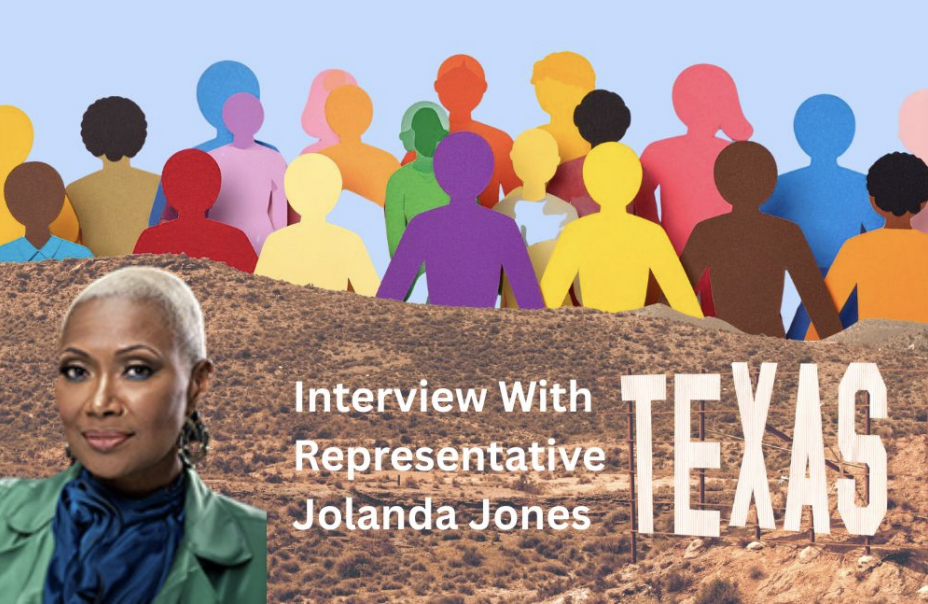
During Houston Community Media’s June 22 Who Cares About Youth? briefing—the second installment of the organization’s three-part interview series with Texas lawmakers—Jones shared her perspective on how artificial intelligence and social media are influencing education, student development and family life.
RELATED: Rep. Gene Wu Opens Houston Community Media Series on Challenges Facing Texas Youth
The series explores the condition of children and teenagers in Houston and across Texas through conversations with state legislators, examining the challenges facing young people and the policies that shape their lives.
Jones, who represents Texas House District 147 and previously served on both the Houston City Council and the Houston Independent School District Board of Trustees, said one of her greatest concerns is ensuring that students continue developing the ability to think independently as technology becomes more integrated into everyday learning.
RELATED: Houston leaders, survivors raise human trafficking awareness ahead of World Cup
Critical Thinking in the Age of AI
Throughout the discussion, Jones emphasized the importance of students learning to solve problems on their own before relying on artificial intelligence.
“You have to be able to critically think,” she said while discussing the growing use of AI in education.
Jones said she feels it is acceptable to use AI for what she described as “busy work,” but believes students should first learn to research, write and organize their own ideas.
“The only way for it to work is for us to do the work first, and then let AI look at it. Not the other way around,” she said.
She encouraged educators and policymakers to continue discussing when and how artificial intelligence should be introduced into the classroom, particularly for younger students. Those comments reflected her perspective on balancing technological advancement with foundational learning skills.
Social Media and Self-Confidence
Jones also discussed the role social media plays in shaping how young people see themselves.
She expressed concern that filtered images and carefully curated online content can create unrealistic expectations and make it more difficult for children to develop confidence in who they are.
“I think that the best way to be your best self is to honestly assess who you are,” Jones said, encouraging parents to help children build self-confidence independent of what they encounter online.
Learning Through Challenges
Reflecting on her own upbringing, Jones said perseverance remains one of the most valuable lessons children can learn.
“My grandmother has taught me for a long time that when you stop using it, you lose it,” she said while explaining why she believes students should continue practicing skills such as problem-solving and independent learning.
She summarized that philosophy in a single sentence:
“There is a benefit to struggle.”
A Role for Community Media
Asked how ethnic media organizations can help families better understand the opportunities and challenges associated with AI and social media, Jones encouraged continued public education.
“Print articles about it,” she said, adding that she is considering hosting a community town hall to continue the conversation about its impact on children and families.
What’s Next?
HCoM’s Who Cares About Youth? series concludes with an upcoming conversation featuring State Rep. Penny Morales Shaw in July, continuing the discussion on the issues affecting children, families and communities across Texas.